

WATCH: President Mahama Signs 24-Hour Economy Authority Bill into Law
President John Dramani Mahama has officially signed the 24-Hour Economy Authority Bill into law, marking a major milestone in Ghana’s economic reform agenda and paving the way for the full implementation of the country’s 24-hour economy policy. The bill, which was passed by Parliament after extensiv
Ogyem Solomon
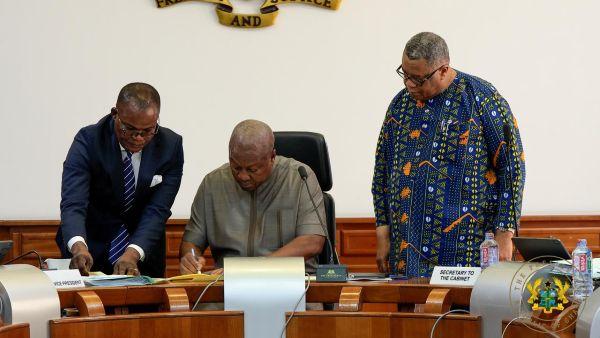
President John Dramani Mahama has officially signed the 24-Hour Economy Authority Bill into law, marking a major milestone in Ghana’s economic reform agenda and paving the way for the full implementation of the country’s 24-hour economy policy.
The bill, which was passed by Parliament after extensive debate and review, establishes a new statutory body known as the 24-Hour Economy Authority. This authority will serve as the central institution responsible for coordinating, regulating, and driving the nationwide implementation of the 24-hour economy initiative. Its creation provides the legal and institutional framework needed to move the policy from vision to action.
The 24-hour economy policy is designed to transform Ghana’s economic structure by extending productive activity beyond traditional working hours. By encouraging businesses and institutions to operate around the clock, the government aims to increase productivity, create jobs, improve service delivery, and expand economic opportunities across multiple sectors, including manufacturing, transport, logistics, healthcare, agriculture, and tourism.
Speaking at the signing ceremony, President Mahama described the moment as a turning point in Ghana’s development strategy. He emphasised that the law reflects the government’s commitment to building a modern, resilient, and competitive economy that works for all citizens. According to him, the policy is not just about longer working hours, but about restructuring systems, infrastructure, and regulations to unlock economic potential and support private sector growth.
The newly established authority will be responsible for coordinating public and private sector participation, ensuring regulatory alignment, mobilising investment, and creating an enabling environment for businesses that wish to operate on a 24-hour basis. It will also work to remove bureaucratic barriers and improve access to incentives, infrastructure, and support systems necessary for extended-hour operations.
A key objective of the initiative is to reduce Ghana’s dependence on exporting raw materials while importing finished goods. By boosting local production and value addition, the policy is expected to strengthen domestic industries, increase exports, and improve Ghana’s position in regional and global markets. The government also sees the programme as a major tool for tackling unemployment, especially among young people, through the creation of new jobs and business opportunities.
The 24-hour economy policy forms part of a broader national economic transformation agenda that focuses on industrialisation, export development, and private sector–led growth. With the bill now signed into law, attention will shift to implementation, stakeholder engagement, and the rollout of operational frameworks that will turn the policy into real economic activity on the ground.
As Ghana moves into this new phase, expectations are high that the 24-hour economy initiative will not only reshape working culture but also drive long-term national development and inclusive economic growth.
Watch the video below:
Source: Thepressradio.com
More Related Articles

NCA Board Member and Tech Leader Dr Augustina Odame Dies at 37
Dr Augustina Nana Oye Odame, a respected Ghanaian fintech expert and former chief executive officer of the Ghana Chamber of Technology (GCT), has passed away at the age of 37, leaving a significant void in the country’s technology and policy community. Her death, which occurred on Saturday, February
Interior Minister Reports Terror Attack on Ghanaian Tomato Traders in Burkina Faso
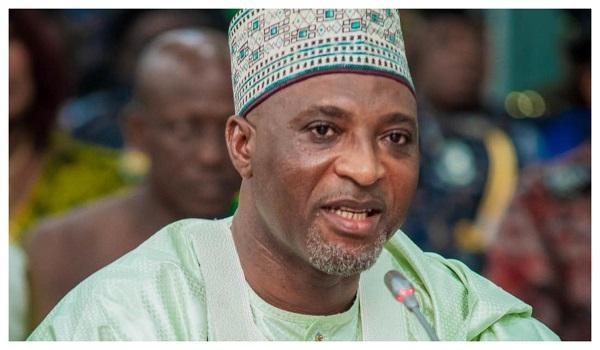
The Muntaka Mohammed-Mubarak, Ghana’s Minister of the Interior and National Security, has confirmed that a truck carrying Ghanaian tomato traders was caught up in a terrorist attack in Titao, a town in northern Burkina Faso. The incident has raised serious concerns about the safety of cross-border t

Oil Prices Hit Four-Month High as Middle East Tensions Shake Global Markets
Global oil prices climbed to their highest level in four months after renewed tensions in the Middle East sparked fears of possible supply disruptions. The surge reflects growing unease among investors as geopolitical developments in key oil-producing regions continue to influence market sentiment.