

Oil Prices Hit Four-Month High as Middle East Tensions Shake Global Markets
Global oil prices climbed to their highest level in four months after renewed tensions in the Middle East sparked fears of possible supply disruptions. The surge reflects growing unease among investors as geopolitical developments in key oil-producing regions continue to influence market sentiment.
Ogyem Solomon
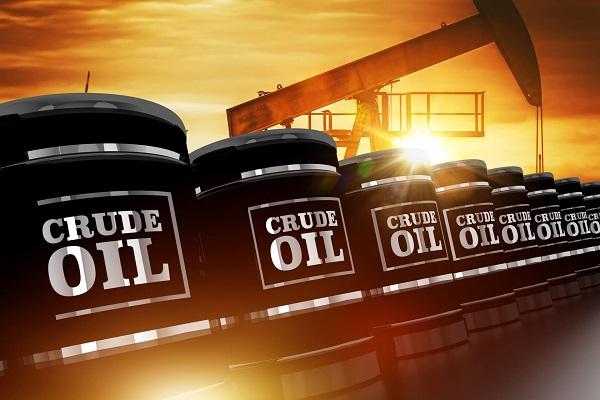
Global oil prices climbed to their highest level in four months after renewed tensions in the Middle East sparked fears of possible supply disruptions. The surge reflects growing unease among investors as geopolitical developments in key oil-producing regions continue to influence market sentiment.
Analysts say the latest rally was largely driven by concerns surrounding Iran and its strained relations with Western nations. Even without an actual supply cut, uncertainty in the region often prompts traders to factor in a risk premium, pushing crude prices higher as a precaution against potential disruptions.
The oil market remains highly sensitive to geopolitical signals, especially when they involve countries that play a significant role in global energy supply. As a result, speculation alone can trigger sharp price movements, as seen in recent trading sessions.
Beyond politics, traders are also closely watching global demand trends and production levels among major oil exporters. Strong energy demand in key economies, combined with controlled output from producers, has helped sustain upward pressure on prices.
Rising oil prices carry broad economic implications. For oil-importing countries, higher crude costs often translate into increased fuel prices, which can drive up transportation and production expenses. This, in turn, may contribute to inflation and place additional pressure on households and businesses.
For Ghana and similar economies that rely heavily on imported petroleum products, sustained increases in global oil prices could result in higher fuel costs locally, affecting transport fares, food prices, and overall cost of living.
Energy experts note that while geopolitical shocks can cause short-term price spikes, long-term oil price movements depend largely on supply-and-demand fundamentals. Factors such as global economic growth, inventory levels, and policy decisions by major producers will continue to shape the market outlook.
As tensions persist and uncertainty remains high, investors are expected to keep a close watch on developments in the Middle East, as well as any signals from major oil-producing alliances regarding future output adjustments.
Source: Thepressradio.com
More Related Articles

Small-Scale Miners Express Support for GoldBod Reforms in Ghana
Small-scale miners across Ghana have expressed strong support for recent reforms introduced by the Ghanaian government’s gold regulatory body, GoldBod, in a move that could reshape the country’s artisanal and small-scale mining sector. The reforms, which aim to improve oversight, enhance sustainabil
Ken Ofori-Atta to Face Bond Hearing in US Immigration Case
Former Ghanaian Finance Minister Ken Ofori-Atta is scheduled to appear before a United States immigration court for a bond hearing as part of an ongoing immigration-related legal case. The hearing, which is expected to take place on Thursday, February 19, 2026, will determine whether he will be gran

Showboy Explains Why Ken Ofori-Atta May Never Return to Ghana
Ghanaian musician Showboy has weighed in on speculation surrounding the potential return of former Finance Minister Ken Ofori-Atta to Ghana, offering insights that have stirred discussion among the public. According to Showboy, a combination of political pressure and public sentiment may make it unl