

Small-Scale Miners Express Support for GoldBod Reforms in Ghana
Small-scale miners across Ghana have expressed strong support for recent reforms introduced by the Ghanaian government’s gold regulatory body, GoldBod, in a move that could reshape the country’s artisanal and small-scale mining sector. The reforms, which aim to improve oversight, enhance sustainabil
Ogyem Solomon
Small-scale miners across Ghana have expressed strong support for recent reforms introduced by the Ghanaian government’s gold regulatory body, GoldBod, in a move that could reshape the country’s artisanal and small-scale mining sector. The reforms, which aim to improve oversight, enhance sustainability, and promote profitability, have been widely welcomed by miners, traditional authorities, and industry stakeholders alike.
According to reports from the Ghana National Association of Small-Scale Miners (GNASSM), the reforms provide clearer operational guidelines for small-scale mining activities, allowing operators to participate more effectively in the formal economy. This includes streamlining licensing procedures, offering better access to resources, and ensuring compliance with environmental and safety standards. Many miners have expressed optimism that the reforms will help reduce illegal mining practices and create a more organized and profitable sector.
Traditional leaders in mining communities have also endorsed the initiative, highlighting the importance of structured mining practices for long-term economic and social development. By supporting the government’s reforms, they hope to encourage collaboration between small-scale miners and regulatory authorities, fostering a safer and more sustainable industry that benefits both local communities and the national economy.
The GNASSM report emphasizes that these reforms are not merely regulatory measures but also tools for empowerment, particularly for local miners who rely on artisanal mining as their primary source of livelihood. Improved access to training, financing, and market opportunities under the new guidelines is expected to enhance productivity and profitability, providing miners with more stability and growth potential.
Industry analysts note that small-scale mining plays a significant role in Ghana’s economy, contributing substantially to employment, local business development, and national revenue. By formalizing and supporting this sector through GoldBod’s reforms, the government is taking steps to ensure that small-scale mining operates within a legal and sustainable framework, reducing environmental degradation and fostering responsible business practices.
Environmental sustainability is a key focus of the reforms. Ghana’s mining sector has historically faced challenges related to illegal mining, land degradation, and water pollution. By encouraging miners to adopt environmentally responsible techniques, the reforms aim to protect ecosystems while ensuring that mining activities remain economically viable. Community leaders and miners alike have welcomed this aspect, recognizing the long-term benefits of sustainable practices.
The reforms are also expected to facilitate better collaboration between small-scale miners and large-scale mining companies, enabling knowledge sharing, technical support, and joint ventures that can boost efficiency and profitability across the sector. Such collaboration could position Ghana as a model for responsible small-scale mining in Africa, combining economic growth with social and environmental responsibility.
In conclusion, the support expressed by small-scale miners for GoldBod’s reforms reflects a broader recognition of the need for structured, transparent, and sustainable practices in Ghana’s mining sector. By providing clear guidelines, improved oversight, and access to opportunities, the reforms have the potential to strengthen the artisanal mining economy, protect the environment, and empower local communities. For Ghana, these measures represent a step forward in balancing economic development with social responsibility and environmental stewardship.
Source: Thepressradio.com
More Related Articles

Why Trotro and Taxis Use Yellow Number Plates While Other Vehicles Have White, GV or CD Plates
Vehicle number plates in Ghana come in different colours and letter codes, each representing a specific category of vehicle use. The system is designed to help authorities and the public easily identify the purpose of a vehicle on the road. One of the most common plates seen across the country is th
Gold Fields to Exit Damang Mine in Ghana by April 2026
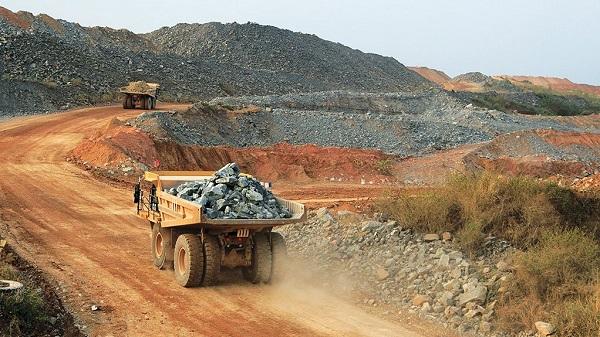
Gold Fields, one of the world’s leading gold producers, has officially confirmed that it will exit operations at the Damang Gold Mine in Ghana by April 2026. The announcement marks a major shift in the company’s operations in West Africa and is expected to have significant implications for the local

IMF Advises Ghana Against Keeping Domestic Gold Losses on Bank of Ghana Balance Sheet
The International Monetary Fund (IMF) has urged Ghana’s authorities to avoid retaining the losses incurred under the Domestic Gold Purchase Programme on the Bank of Ghana’s (BoG) balance sheet, citing potential risks to financial stability and transparency. The IMF’s recommendation comes as part of