

Trump Claims Iran’s Supreme Leader Khamenei Dead After US–Israeli Strikes
U.S. President Donald Trump has claimed that Ayatollah Ali Khamenei, the Supreme Leader of Iran, has died following recent military strikes by the United States and Israel. Trump made the statement via his social media platform, asserting that the strikes targeted Iran’s leadership and military infr
Ogyem Solomon
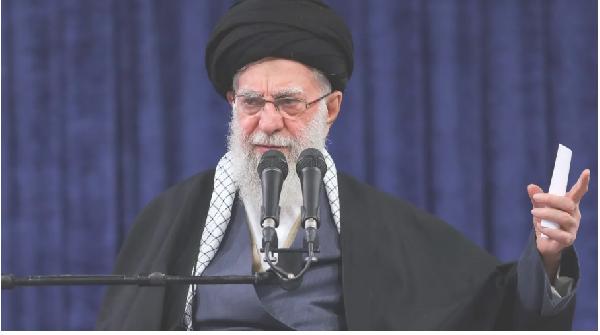
U.S. President Donald Trump has claimed that Ayatollah Ali Khamenei, the Supreme Leader of Iran, has died following recent military strikes by the United States and Israel. Trump made the statement via his social media platform, asserting that the strikes targeted Iran’s leadership and military infrastructure, and described Khamenei’s reported death as a major development in the ongoing conflict in the Middle East.
Trump characterised Khamenei as a longstanding figure of authority in Iran and said the military action was intended to weaken Tehran’s grip on power. He described the development as providing a unique opportunity for the Iranian people to assert greater control over their country. Trump also indicated that the U.S. and Israel would continue military operations as deemed necessary to achieve their objectives.
The situation remains fluid, with Iranian authorities initially denying reports of Khamenei’s death. Statements from Iranian state media later acknowledged the incident, although details are still emerging and remain difficult to verify independently. The conflicting reports highlight the high tension and uncertainty surrounding the conflict.
The military offensive reportedly involved targeted strikes on Iranian military and government installations, with explosions reported in Tehran and other major cities. The attacks have raised fears of a broader regional escalation, as Iran has reportedly begun retaliatory measures against U.S. and Israeli positions in the Middle East.
Analysts note that Khamenei’s death if confirmed would have significant geopolitical implications, as the Supreme Leader holds central authority over Iran’s political, military, and religious institutions. A sudden leadership vacuum could spark internal instability and complicate efforts for regional peace.
International reactions have been mixed. While some leaders are calling for diplomacy and restraint, others are watching closely to assess the strategic and political consequences of the strikes. Observers continue to monitor developments closely, aware that the unfolding events could reshape security dynamics in the Middle East.
Source: Thepressradio.com
More Related Articles
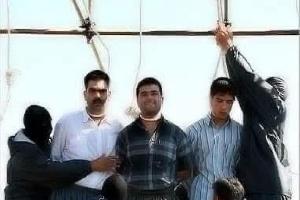
How Ancient Rome Turned Executions Into Public Theatre
Historical accounts have revealed that some forms of entertainment in ancient Rome involved the execution of real prisoners in place of actors, turning public performances into deadly spectacles. These events, often described by historians as a “theatre of death,” formed part of the Roman arena cult

TikTok’s US Venture to Collect Precise User Location Data, Raising Privacy Concerns
The U.S. branch of TikTok is facing scrutiny after announcing that it will begin collecting more precise location data from its users. The move, part of a broader strategy to enhance content personalization and advertising, has sparked concerns among privacy advocates and digital rights experts abou
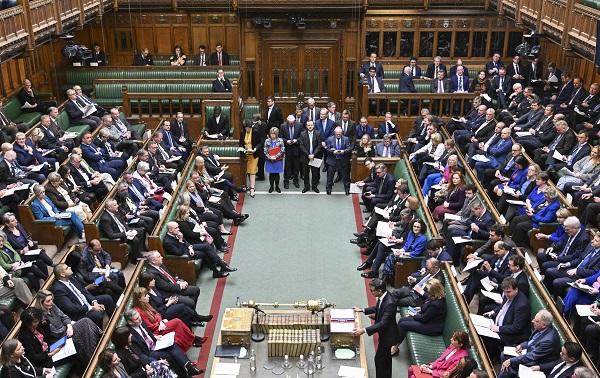
VIDEO: Tension Rises in UK Parliament Over Ghana’s Reparations Push at UN
A renewed call for slavery reparations by Ghana has sparked heated discussions within the UK Parliament, highlighting growing international pressure over historical accountability. The debate follows remarks made by John Dramani Mahama at the United Nations General Assembly, where he advocated for t