

How Ancient Rome Turned Executions Into Public Theatre
Historical accounts have revealed that some forms of entertainment in ancient Rome involved the execution of real prisoners in place of actors, turning public performances into deadly spectacles. These events, often described by historians as a “theatre of death,” formed part of the Roman arena cult
Ogyem Solomon
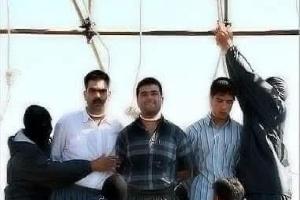
Historical accounts have revealed that some forms of entertainment in ancient Rome involved the execution of real prisoners in place of actors, turning public performances into deadly spectacles. These events, often described by historians as a “theatre of death,” formed part of the Roman arena culture where punishment, power, and entertainment were closely intertwined.
According to historical records, condemned criminals were sometimes forced to reenact mythological scenes during public games, with the performances ending in their actual deaths. Rather than simulated violence, these spectacles involved real executions carried out in front of large crowds, particularly during midday events when the audience gathered to witness punishments handed down by the state. The practice served both as public entertainment and as a warning to others about the consequences of crime.
Scholars explain that these executions were intended to reinforce Roman authority and social order. By turning punishment into spectacle, the Roman state demonstrated its power while using fear as a tool of control. The blending of theatre and execution reflected a society where violence was normalised and deeply embedded in public life, especially within the amphitheatre.
Ancient writings suggest that many spectators accepted these events as part of daily entertainment, highlighting how cultural values have shifted over time. What is now viewed as extreme cruelty was once considered a legitimate form of public display, revealing stark differences between ancient and modern ideas of justice, morality, and entertainment.
Historians argue that examining these practices helps modern audiences better understand Roman civilisation and the role public spectacles played in shaping social behaviour. The “theatre of death” stands as a reminder of how entertainment has been used throughout history not only to amuse, but also to exert control and communicate power within society.
Source: Thepressradio.com
More Related Articles

Cardi B Laughs Off Stage Fall, Jokes “That Was the Government” in Las Vegas
American rapper Cardi B turned a minor on-stage mishap into a viral moment during her Little Miss Drama Tour stop in Las Vegas over the weekend, jokingly blaming “the government” for her tumble. The 33-year-old performer was at the T‑Mobile Arena on Friday, February 13, 2026, when she briefly lost h

Bigo Live Set to Light Up Seoul with Seventh Annual BIGO Awards Gala in 2026
Bigo Live, one of the world’s fastest-growing social live-streaming platforms with more than 600 million registered users across over 150 countries, has announced the seventh edition of its flagship BIGO Awards Gala, scheduled to take place in Seoul in January 2026. Themed “SEOUL LIGHTS, BIGO NIGHTS

Late Queen Elizabeth’s Son Arrested by UK Authorities in Misconduct Probe
In a development that has captured global attention, Andrew Mountbatten-Windsor, son of the late Queen Elizabeth II, has reportedly been arrested by United Kingdom law enforcement authorities. The arrest, which occurred on Thursday morning, is in connection with allegations of misconduct in public o