

Rising Costs and Consumer Preferences Keep Rice Imports High in Ghana
Despite ongoing efforts to boost domestic rice production, Ghana continues to rely heavily on imported rice, driven largely by cost factors and consumer preferences. Industry observers say this trend underscores the challenges local farmers face in competing with foreign rice varieties. While Ghana
Ogyem Solomon
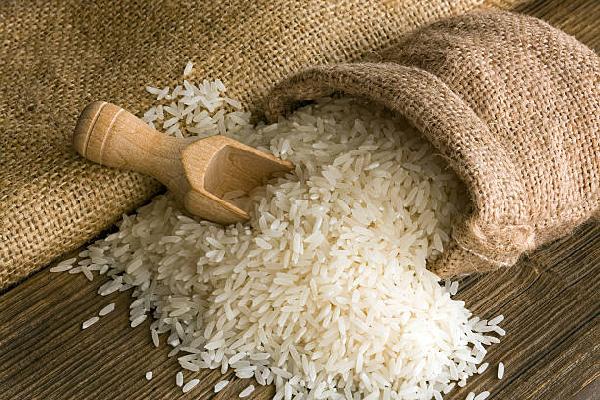
Despite ongoing efforts to boost domestic rice production, Ghana continues to rely heavily on imported rice, driven largely by cost factors and consumer preferences. Industry observers say this trend underscores the challenges local farmers face in competing with foreign rice varieties.
While Ghana has made strides in increasing local rice output, a significant portion of rice consumed in urban and rural areas alike is still imported. Imported rice is often perceived as cheaper, particularly when factors such as milling quality, packaging, and branding are considered. For price-sensitive consumers, especially in cities, these imported varieties remain the more affordable option for households managing tight budgets.
Consumer tastes also play a major role in sustaining high levels of rice imports. Many shoppers express a preference for the texture, consistency, and flavor of certain imported rice brands, which they believe are superior to some domestic products. This perception has made it difficult for locally produced rice to gain a stronger foothold in the market, even when supply is adequate.
The continued reliance on imports has implications for Ghana’s agricultural sector. While local farmers are working to improve yields and modernize processing techniques, imported rice dominates the market, limiting opportunities for domestic producers. Experts note that building consumer confidence in local rice — through consistent quality, better marketing, and competitive pricing — could gradually reduce the demand for foreign rice and promote homegrown products.
Government and private sector initiatives have focused on making local rice more competitive. Measures include providing farmers with high-yield seeds, training in modern farming practices, and investing in milling infrastructure to improve the overall quality of locally produced rice. These efforts aim to strengthen Ghana’s food security and reduce dependence on imports, which place a strain on foreign exchange resources.
Economists argue that changing consumer behavior will take time and require coordinated efforts. Public awareness campaigns highlighting the benefits of local rice, as well as incentives for retailers to stock domestic varieties, could help shift buying patterns over the long term. Meanwhile, investment in quality control, packaging, and branding is crucial for ensuring that local rice meets consumer expectations.
Despite these initiatives, imports are expected to remain high in the near term as domestic production continues to scale and consumer preferences gradually evolve. Policymakers and industry stakeholders agree that balancing the growth of local production with managing import needs will be key to creating a more resilient rice market in Ghana.
Ultimately, the challenge of reducing rice imports highlights a broader issue in Ghana’s agricultural sector: the need for sustained investment, improved infrastructure, and a concerted effort to align production with market demands. Until consumer confidence in local rice improves, imports are likely to remain a significant part of the country’s food economy.
Source: Thepressradio.com
More Related Articles

How Ibrahim Mahama Built His Wealth After Escaping Political Persecution
Businessman and philanthropist Ibrahim Mahama, younger brother of Ghanaian President John Dramani Mahama, has emerged as one of Ghana’s most influential indigenous entrepreneurs after overcoming years of political and personal challenges. According to accounts shared publicly by President Mahama, Ib

President Mahama Holds Emergency Cabinet Meeting to Address Cocoa Sector Challenges
President John Dramani Mahama has convened an emergency Cabinet meeting to tackle pressing issues affecting Ghana’s cocoa sector, a vital component of the country’s economy and a major source of income for rural farmers. The meeting, scheduled for Wednesday, 11 February 2026, brings together governm

Woman’s shocking confession raises serious health concerns
A woman identified as Leticia Okine has sparked widespread concern after making a disturbing admission about her cooking practices within her household. According to reports, she revealed that she uses urine and faeces as part of the food preparation process, claiming that it improves the taste and