

One Year Under M23 Control: Life in Goma Becomes Increasingly Difficult for Residents
Residents of Goma, the capital of the Democratic Republic of Congo’s (DRC) North Kivu Province, are marking one year under the control of the M23 rebel group, facing ongoing economic and social hardships. Once a vibrant center of commerce and daily activity, the city has seen its bustling markets an
Ogyem Solomon
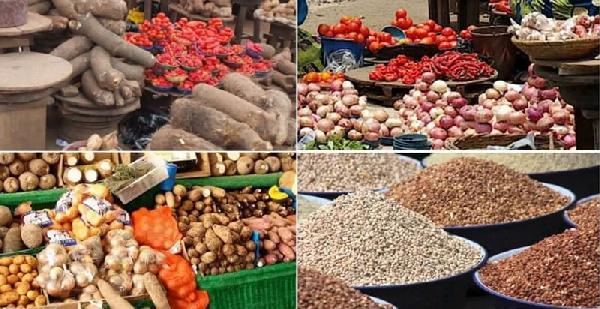
Residents of Goma, the capital of the Democratic Republic of Congo’s (DRC) North Kivu Province, are marking one year under the control of the M23 rebel group, facing ongoing economic and social hardships. Once a vibrant center of commerce and daily activity, the city has seen its bustling markets and streets subdued under the current circumstances.
The central market, traditionally the heart of Goma’s economy, reflects the challenges that local residents face. Vendors report a significant decline in foot traffic, leaving many struggling to make ends meet. Small business owners, who previously relied on daily sales, now find it difficult to support their families amid dwindling customers and reduced income.
The M23 group, a predominantly Tutsi armed movement that reemerged in eastern DRC in late 2024, has maintained control of Goma and surrounding areas. While some residents initially hoped for stability under the new authority, economic activity has largely slowed, creating uncertainty for families and workers across the city. Jobs have become scarce, and many households are forced to stretch their limited resources to cover basic needs such as food, healthcare, and school fees.
Local vendors describe a city where once-thriving market stalls now sit half-empty, and the usual rhythm of daily commerce has been disrupted. To cope, some residents are taking on multiple low-paying jobs, while others have had to make difficult choices, cutting back on essential expenses just to survive. The resulting strain has affected not only livelihoods but also the overall morale of communities living under prolonged insecurity.
Humanitarian organizations operating in the region report growing needs among Goma’s residents. Aid workers note that while assistance continues to arrive, it is often insufficient to meet the scale of demand. Key priorities include food distribution, access to clean water, and medical support, particularly for displaced families and vulnerable individuals who have limited resources.
Despite these challenges, many residents of Goma continue to show remarkable resilience. Community leaders have called for increased support from international partners and a renewed push for dialogue to restore peace and stability. For the city’s population, life under M23 control has become a daily exercise in patience, resourcefulness, and determination.
The situation in Goma highlights the broader human impact of the ongoing conflict in eastern DRC. Beyond the political and military developments, ordinary citizens continue to bear the brunt of disrupted livelihoods, limited economic opportunities, and uncertainty about the future. The experiences of families, vendors, and workers in the city serve as a stark reminder of the long-term consequences of armed conflict on local communities.
As international organizations and humanitarian groups continue to provide support, residents remain hopeful that conditions will improve. Yet the challenges faced in Goma underscore the urgent need for sustainable solutions that combine security, economic recovery, and social assistance to help communities rebuild their lives after a year under rebel control.
Source: Thepressradio.com
More Related Articles
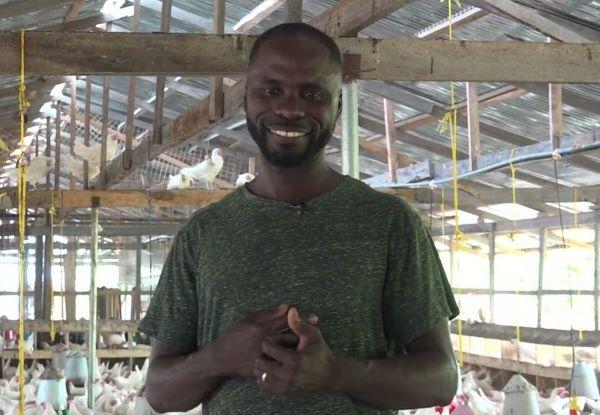
Old Video of Deceased Gang Leader Discussing Business Ideas Resurfaces Online
A resurfaced video of a deceased suspected gang leader speaking about business ideas has sparked widespread discussion on social media. The footage, which has recently gone viral, shows the late Eric Duku, believed to have led a notorious carjacking syndicate, sharing thoughts on entrepreneurship an
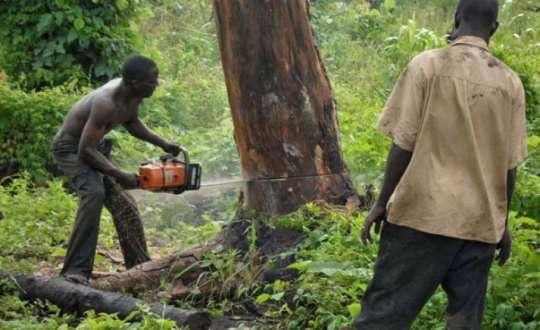
12 Tree and Plant Species Legally Protected Against Felling in Ghana
The Ghana Forestry Commission has highlighted that twelve tree and plant species in the country are legally protected from felling, harvesting, and trade under Ghana’s environmental and forestry regulations. This measure aims to preserve biodiversity, maintain ecological balance, and safeguard cultu

Burkina Faso bans tomato exports to boost local processing – Dr. Otokunor explains
The government of Burkina Faso has recently suspended all fresh tomato exports, a move aimed at strengthening its domestic agricultural processing industry. Dr. Peter Boamah Otokunor, Ghana’s Director of Presidential Initiatives in Agriculture and Agribusiness, explained the rationale behind the dec