

Burkina Faso bans tomato exports to boost local processing – Dr. Otokunor explains
The government of Burkina Faso has recently suspended all fresh tomato exports, a move aimed at strengthening its domestic agricultural processing industry. Dr. Peter Boamah Otokunor, Ghana’s Director of Presidential Initiatives in Agriculture and Agribusiness, explained the rationale behind the dec
Ogyem Solomon

The government of Burkina Faso has recently suspended all fresh tomato exports, a move aimed at strengthening its domestic agricultural processing industry. Dr. Peter Boamah Otokunor, Ghana’s Director of Presidential Initiatives in Agriculture and Agribusiness, explained the rationale behind the decision and its implications for the region.
According to Dr. Otokunor, Burkina Faso’s ban is designed to encourage local processing of tomatoes into products like paste and sauces, rather than exporting raw produce. By doing so, the country aims to capture more value from its tomato harvest, boost employment in processing industries, and support long-term economic growth.
While the export ban affects neighbouring countries that depend on Burkina Faso’s tomatoes — including Ghana — it is seen as part of a broader strategy to improve food security and reduce reliance on imported produce. Dr. Otokunor noted that Ghana is already investing in expanding domestic tomato cultivation and irrigation, particularly during the dry season, to ensure a steady supply and mitigate potential shortages.
Agribusiness experts say the move presents both challenges and opportunities. In the short term, consumers may face higher prices due to limited supply. However, the restriction also encourages neighbouring countries to strengthen local production and processing capabilities, ultimately reducing regional dependency on imported fresh tomatoes.
Dr. Otokunor emphasized that the situation underscores the importance of long-term agricultural planning, including irrigation infrastructure, farmer support programmes, and policies aimed at self-sufficiency. He concluded that while the export ban may disrupt markets temporarily, it aligns with efforts to create sustainable food systems and stronger domestic agribusiness sectors across West Africa.
Source: Thepressradio.com
More Related Articles
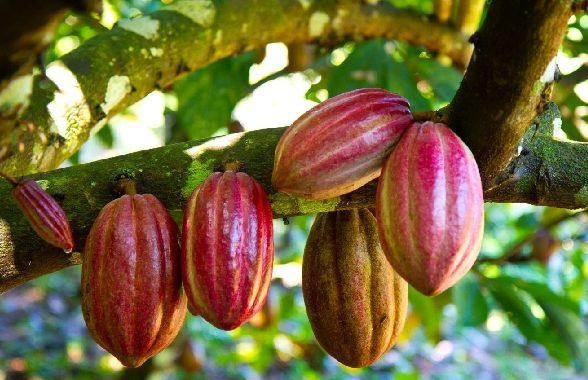
NPP Communicator Criticizes Cocoa Price Cut, Says Farmers Are Unfairly Penalized
A communications officer for the New Patriotic Party (NPP) has condemned the recent reduction in the farmgate price of cocoa, describing the decision as unfair to farmers and insensitive to the economic realities faced by Ghana’s cocoa-growing communities. Speaking publicly, the NPP official highlig
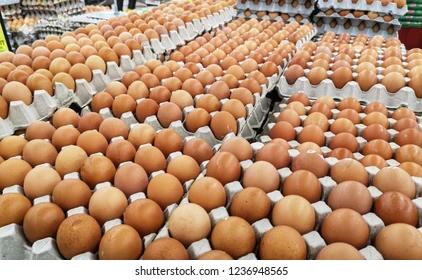
Ghanaian Poultry Farmers Tackle Egg Glut with Innovative Marketing Solutions
Ghana’s poultry sector is facing a serious challenge as an egg glut—an oversupply of eggs exceeding market demand—puts significant pressure on local producers. The surplus has forced farmers to rethink traditional sales approaches, exploring innovative strategies to move products and protect their l
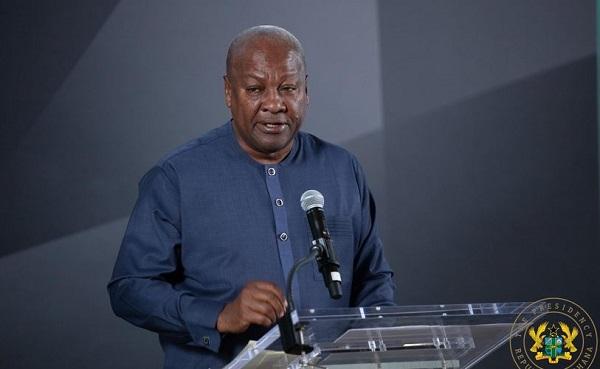
Cocoa Farmers Call on Mahama to Reform Entire COCOBOD, Not Just Remove CEO
The National Cocoa Farmers Association of Ghana (COFAG) has urged President John Dramani Mahama to implement comprehensive reforms at the Ghana Cocoa Board (COCOBOD), insisting that addressing challenges in the sector requires more than just the removal of its Chief Executive Officer. Cocoa farmers