

Nine Suspects Flee After Attempting to Smuggle Charcoal Using Fake Funeral in Malawi
Authorities in Malawi are on the lookout for nine individuals who remain at large following a bizarre charcoal smuggling attempt disguised as a funeral procession. The unusual scheme was uncovered by forestry officials and police in Chikwawa District, approximately 40 kilometres south of Blantyre, t
Ogyem Solomon

Authorities in Malawi are on the lookout for nine individuals who remain at large following a bizarre charcoal smuggling attempt disguised as a funeral procession. The unusual scheme was uncovered by forestry officials and police in Chikwawa District, approximately 40 kilometres south of Blantyre, the country’s commercial hub.
The suspects loaded around 30 large bags of charcoal into a hearse and attempted to pass it off as a legitimate funeral procession. Officials became suspicious at a roadblock and inspected the vehicle, discovering the illicit cargo hidden beneath the coffin. The estimated value of the seized charcoal is 3 million Malawian kwacha (roughly US $1,700).
Initial arrests were made at the scene, but the nine suspects managed to escape custody, leaving behind the hearse and coffin. Security authorities have launched an intensive search to apprehend the fugitives, warning that they could face serious charges if caught. The suspects may be charged with illegal possession and transportation of forestry products, offences that carry penalties of up to five years in prison or fines under Malawi’s environmental protection laws.
Charcoal remains a widely used cooking fuel in Malawi, especially in rural areas and towns where electricity supply is inconsistent or expensive. However, illegal charcoal production and trade have long been associated with deforestation and environmental degradation, particularly in the southern regions of the country. Forestry authorities emphasized that the inventive tactic of disguising charcoal as part of a funeral signals a worrying escalation in smuggling methods.
Environmental groups have repeatedly warned that the illicit charcoal trade contributes significantly to the loss of trees and the deterioration of natural habitats. Officials insist that intercepting such smuggling attempts is a key part of national conservation and enforcement strategies.
Local law enforcement and forestry officials are urging the public to provide any information that could help locate the suspects. Authorities stress that creative schemes like this are unlikely to succeed and that violators of forestry and environmental laws will face strict consequences.
This incident serves as a stark reminder of the lengths to which smugglers may go to evade detection, and highlights the ongoing challenge faced by Malawi’s environmental authorities in combating illegal logging and charcoal trade. Meanwhile, the community and authorities remain vigilant, hoping to bring the fugitives to justice while safeguarding natural resources.
Source: Thepressradio.com
More Related Articles
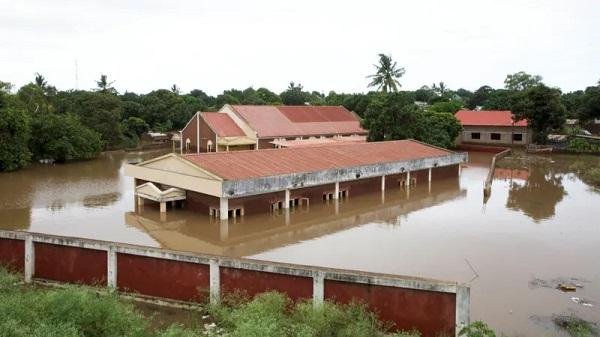
Cyclone Gezani Kills Four in Mozambique as Madagascar Counts the Cost
At least four people have died in Mozambique after Tropical Cyclone Gezani lashed the southern coastal province of Inhambane, while neighboring Madagascar continues to assess the widespread damage caused by the powerful storm. Although the cyclone did not make direct landfall in Mozambique, its stro
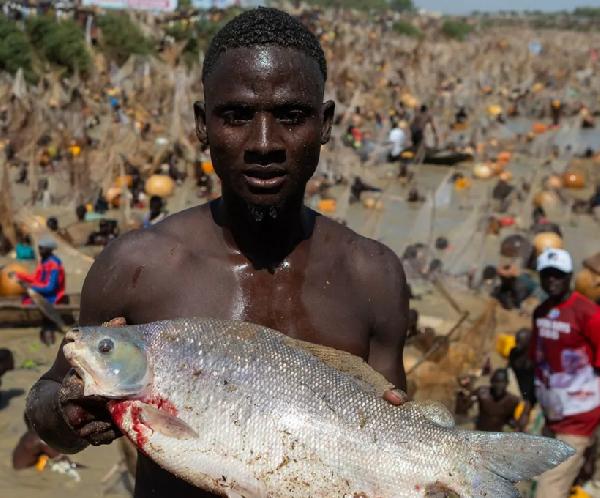
Catch of the Day: Nigerian Fishing Festival Draws Thousands in Celebration of Culture and Tradition
A vibrant traditional fishing festival in northern Nigeria has drawn tens of thousands of fishermen and spectators, turning the riverside into a spectacular scene of culture, competition, and celebration. Armed with nets, baskets, and traditional fishing tools, participants gathered in large numbers
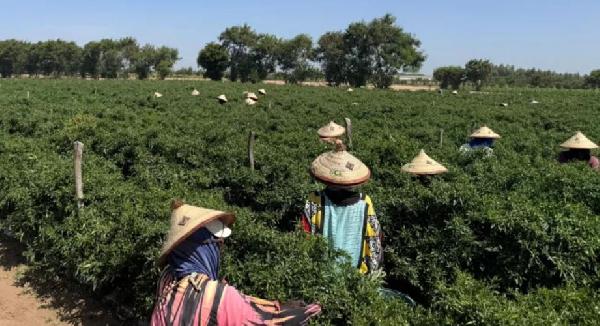
How Two Farms in Senegal Became Major Suppliers of the UK’s Winter Vegetables
Far from British farmlands and European greenhouses, two large agricultural operations in northern Senegal have quietly become some of the most important suppliers of vegetables to the United Kingdom. During the winter months, when domestic production in the UK slows due to cold weather, these farms