

Heavy Floods in Northern Morocco Force Mass Evacuations
Severe flooding in northern Morocco has forced the evacuation of thousands of residents after days of heavy rainfall caused rivers to overflow, inundating towns and villages across the region, including Ksar El Kebir. The floods have submerged streets, homes, and farmland, prompting urgent action fr
Ogyem Solomon
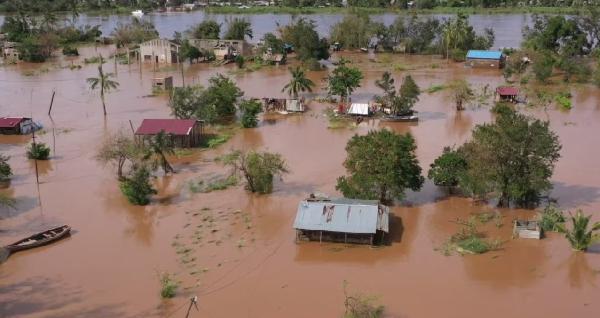
Severe flooding in northern Morocco has forced the evacuation of thousands of residents after days of heavy rainfall caused rivers to overflow, inundating towns and villages across the region, including Ksar El Kebir. The floods have submerged streets, homes, and farmland, prompting urgent action from authorities to relocate affected populations to safer areas.
Aerial images captured the extent of the disaster, showing entire neighborhoods under water and highlighting the scale of destruction. Emergency responders, local officials, and volunteers have been deployed to assist in rescue operations, temporary shelter arrangements, and the distribution of food and medical aid. Authorities have urged residents to follow safety directives and cooperate with evacuation procedures to minimize the risk of casualties.
The flooding has disrupted daily life, damaged property, and raised concerns about infrastructure resilience in flood-prone areas. Experts note that extreme weather events, such as these heavy rains, are becoming more frequent in North Africa due to climate change, emphasizing the need for improved urban planning and disaster preparedness.
In response, government agencies are coordinating relief efforts to ensure the affected communities receive essential support. Temporary shelters have been set up, and efforts continue to provide clean water, food supplies, and medical care to displaced residents.
Residents who have experienced repeated flooding events are calling for stronger preventative measures, including improved drainage systems and flood barriers, to reduce future risks. The Moroccan authorities have pledged to review disaster management strategies and strengthen early warning systems to better protect vulnerable populations.
The current floods serve as a stark reminder of the growing threat of climate-induced natural disasters, and highlight the importance of community cooperation, swift emergency response, and sustainable infrastructure planning in mitigating the impact of such events.
Source: Thepressradio.com
More Related Articles
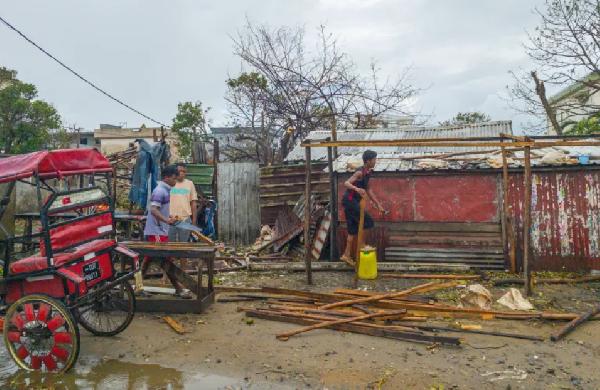
Cyclone Gezani in Madagascar Leaves 38 Dead and 12,000 Displaced as Mozambique Prepares
Madagascar is reeling after Cyclone Gezani swept through parts of the island nation, leaving at least 38 people dead and displacing more than 12,000 residents. The powerful storm battered communities with heavy rains, strong winds, and widespread flooding, destroying homes and infrastructure, and fo

Nine Suspects Flee After Attempting to Smuggle Charcoal Using Fake Funeral in Malawi
Authorities in Malawi are on the lookout for nine individuals who remain at large following a bizarre charcoal smuggling attempt disguised as a funeral procession. The unusual scheme was uncovered by forestry officials and police in Chikwawa District, approximately 40 kilometres south of Blantyre, t

A Call For United African Front On Slavery and Reparations
One message stood out, one particular briefing gave clarity and hope for better days ahead. Africa, will be heard; willingly or unwillingly and the resolution thereof, will no longer be a hope for years to come, but a reality to actualise.At a press conference during the 39th AU Summit in Addis Ab