

GDP Growth Alone Does Not Equate to Economic Success – Economist Agbana
While Ghana has experienced periods of notable GDP growth, economist Agbana warns that these figures alone do not fully capture a country’s economic wellbeing. In a recent analysis, Agbana emphasized that relying solely on GDP as a measure of success can be misleading, as it overlooks crucial factor
Ogyem Solomon

While Ghana has experienced periods of notable GDP growth, economist Agbana warns that these figures alone do not fully capture a country’s economic wellbeing. In a recent analysis, Agbana emphasized that relying solely on GDP as a measure of success can be misleading, as it overlooks crucial factors such as income distribution, job quality, poverty reduction, and social development.
According to Agbana, GDP growth reflects the overall increase in the value of goods and services produced in a country, but it does not reveal who benefits from that growth. “Economic expansion does not automatically translate to improved living standards for all citizens,” Agbana explained, noting that in some cases, growth may be concentrated in a few sectors or favor a small segment of the population.
The economist highlighted several other indicators that should be considered when evaluating a nation’s economic performance. These include employment rates, particularly the availability of stable, well-paying jobs; inflation and price stability, which affect household purchasing power; and poverty reduction, which directly measures the impact of economic policies on vulnerable populations.
Agbana also emphasized the importance of assessing human development outcomes, such as access to quality education, healthcare, and social services. “A rising GDP is meaningful only if it is accompanied by improvements in the quality of life for the average citizen,” he noted. Without these measures, economic growth can appear impressive on paper while leaving the majority of the population struggling.
The commentary comes at a time when many countries, including Ghana, have been reporting strong GDP figures. While these numbers are often celebrated as indicators of economic success, Agbana’s analysis urges policymakers, media, and the public to adopt a more nuanced perspective. Focusing solely on growth figures can create the illusion of prosperity while masking underlying inequalities and structural weaknesses.
Experts agree that inclusive growth is critical for sustainable economic development. Policies that prioritize job creation, equitable wealth distribution, and access to essential services are key to ensuring that economic expansion translates into tangible improvements in citizens’ lives. Without these measures, GDP growth risks benefiting only a small elite, leaving broader societal needs unmet.
Agbana’s perspective resonates with broader debates in the field of economics about the limitations of GDP as the sole indicator of success. While GDP remains an important tool for tracking overall economic activity, it should be complemented with social, environmental, and developmental indicators to provide a more complete picture of progress.
The economist urged policymakers to adopt a multi-dimensional approach to economic planning, one that integrates growth with social welfare. By doing so, governments can ensure that economic expansion results in better living standards, reduced poverty, and sustainable development over the long term.
In conclusion, Agbana’s analysis serves as a reminder that true economic success cannot be measured solely by growth statistics. While Ghana’s rising GDP may signal increased productivity, it is the broader impact on citizens’ lives, equality, and access to opportunities that ultimately defines the health and success of the economy.
Source: Thepresradio.com
More Related Articles

Former Nigerian Deputy Governor’s Cryptic Message Sparks Debate Amid Ofori-Atta Controversy
A former Deputy Governor of the Central Bank of Nigeria, Prof. Kingsley Moghalu, has ignited conversation on social media following a reflective post shared at the height of growing public debate surrounding Ghana’s former Finance Minister, Ken Ofori-Atta. Although Prof. Moghalu did not directly men
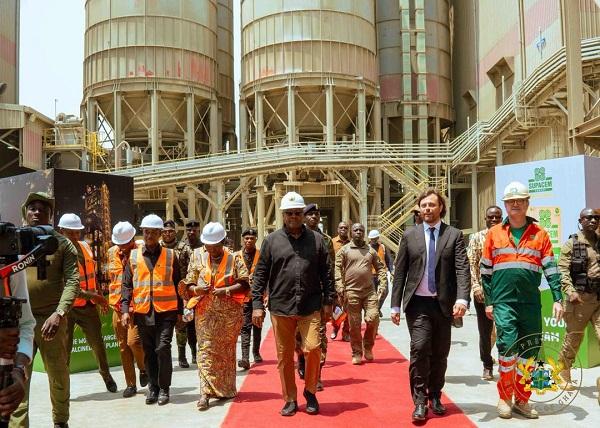
President Mahama Commissions World’s Largest Calcined Clay Cement Plant in Tema
President John Dramani Mahama has officially inaugurated what is being described as the world’s largest calcined clay cement plant in Tema, a development set to transform Ghana’s construction and industrial sectors. The state-of-the-art facility is designed to boost local cement production, create j
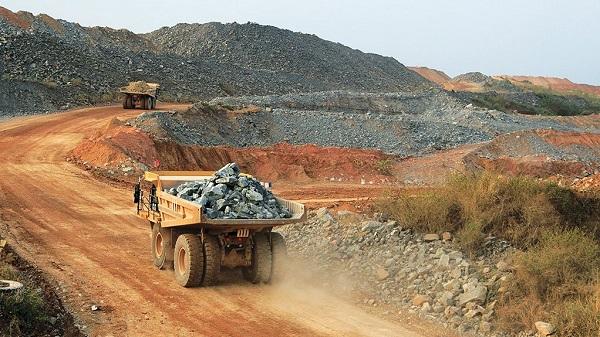
Gold Fields to Exit Damang Mine in Ghana by April 2026
Gold Fields, one of the world’s leading gold producers, has officially confirmed that it will exit operations at the Damang Gold Mine in Ghana by April 2026. The announcement marks a major shift in the company’s operations in West Africa and is expected to have significant implications for the local