

Africa Struggles Between Import Substitution and Persistent Economic Dependency
Many African countries continue to grapple with a long-standing economic dilemma: balancing the push for import substitution with ongoing dependence on foreign goods. Despite repeated policy efforts aimed at boosting local production, the continent still spends billions of dollars each year importin
Ogyem Solomon
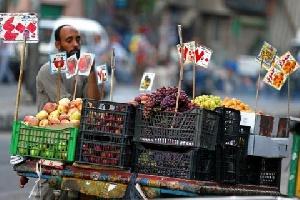
Many African countries continue to grapple with a long-standing economic dilemma: balancing the push for import substitution with ongoing dependence on foreign goods. Despite repeated policy efforts aimed at boosting local production, the continent still spends billions of dollars each year importing basic food items, manufactured products, and industrial inputs.
Economic analysts note that this dependency exposes African economies to global price fluctuations, supply chain disruptions, and foreign exchange pressures. Rising import bills have also contributed to trade imbalances, currency depreciation, and inflation in several countries, making the issue a growing concern for policymakers.
Import substitution industrialisation (ISI) — a strategy that promotes domestic production of goods previously imported — has often been presented as a solution. However, its implementation across Africa has faced significant obstacles. Weak infrastructure, high production costs, limited access to finance, and inconsistent policy frameworks have prevented many local industries from competing effectively with cheaper imported alternatives.
In several countries, manufacturers struggle with unreliable power supply, poor transportation networks, and high interest rates, all of which raise the cost of doing business. As a result, locally produced goods are often more expensive than imports, discouraging consumers and businesses from buying domestic products.
At the same time, continued reliance on imports has slowed the development of local value chains and reduced opportunities for job creation. Analysts argue that Africa’s dependence on external markets undermines industrial growth and limits the continent’s ability to achieve sustainable economic transformation.
Experts suggest that resolving this challenge requires a strategic and balanced approach rather than an abrupt shift away from imports. They emphasize the need for targeted industrial policies that support sectors where African countries have a comparative advantage, such as agro-processing, light manufacturing, and value-added exports.
Investment in infrastructure, skills development, and access to affordable financing is seen as critical to strengthening local industries. In addition, stable and predictable government policies are necessary to build investor confidence and encourage long-term commitment to domestic manufacturing.
Regional cooperation is also highlighted as a key solution. By leveraging regional trade frameworks such as the African Continental Free Trade Area (AfCFTA), countries can expand markets for locally produced goods, reduce duplication of industries, and benefit from economies of scale. Stronger regional integration could help African producers compete more effectively both within the continent and globally.
While import substitution remains an important policy objective, analysts caution that it must be pursued realistically and sustainably. Rather than attempting to produce everything domestically, African economies are encouraged to focus on strategic sectors that can drive growth, employment, and resilience.
Ultimately, addressing Africa’s economic dependency will require coordinated efforts from governments, the private sector, and regional institutions. By strengthening local production capacities while maintaining strategic trade partnerships, the continent can move closer to achieving economic independence and long-term stability.
Source: Thepressradio.com
More Related Articles

Belgium Detains Three Suspected Cameroon Separatists in War Crimes Probe
Belgian authorities have arrested three individuals suspected of being involved in war crimes linked to the ongoing separatist conflict in Cameroon’s English-speaking regions. The arrests are part of a broader investigation by Belgian prosecutors into alleged crimes committed during the years-long c

Nigerian Man Accused of Impersonating Dubai Crown Prince to Defraud Woman of $2.5 Million
A Nigerian socialite, Nzube Henry Ikeji, has been accused of orchestrating a sophisticated scam in which he allegedly impersonated the Crown Prince of Dubai, defrauding a Romanian businesswoman of $2.5 million over several years. Investigations by the Organised Crime and Corruption Reporting Project

Nine Suspects Flee After Attempting to Smuggle Charcoal Using Fake Funeral in Malawi
Authorities in Malawi are on the lookout for nine individuals who remain at large following a bizarre charcoal smuggling attempt disguised as a funeral procession. The unusual scheme was uncovered by forestry officials and police in Chikwawa District, approximately 40 kilometres south of Blantyre, t