

Why Rejecting Coins Can Harm the Economy
The growing habit of rejecting coins in everyday transactions is raising concerns among financial experts in Ghana, with warnings that the practice could negatively affect the country’s economic stability. Coins are a vital part of the monetary system, designed to facilitate small-value transactions
Ogyem Solomon
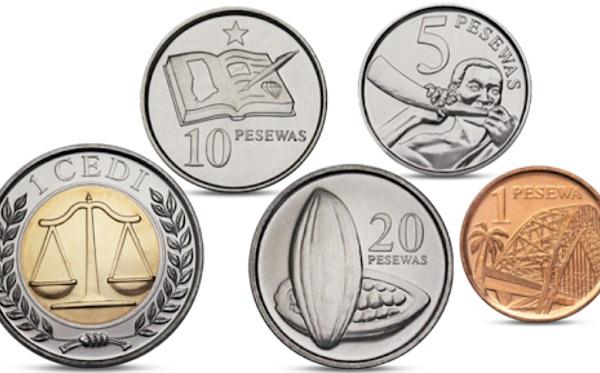
The growing habit of rejecting coins in everyday transactions is raising concerns among financial experts in Ghana, with warnings that the practice could negatively affect the country’s economic stability.
Coins are a vital part of the monetary system, designed to facilitate small-value transactions and ensure accurate pricing. However, many traders and consumers increasingly refuse to accept them, especially lower denominations, creating challenges in daily commerce.
One of the most immediate consequences of this trend is price distortion. When coins are rejected, sellers often round up prices to the nearest note, forcing customers to pay more than the actual value of goods or services. Over time, this practice can contribute to gradual price increases, adding pressure to inflation and reducing consumers’ purchasing power.
Another key issue is the disruption of currency circulation. Coins are issued by the Bank of Ghana to remain actively in use. When they are not accepted, they gradually disappear from circulation, leading to shortages. This forces the central bank to produce more coins, increasing costs that could otherwise be avoided if the existing supply was properly utilized.
The refusal to accept coins also creates operational challenges for businesses. Traders, transport operators, and small-scale vendors often struggle to provide exact change, leading to frequent disputes between buyers and sellers. In some cases, businesses may resort to substituting goods for change, which can further complicate transactions and reduce efficiency.
Beyond the practical challenges, the trend also affects public perception of money. When coins are seen as having little value, it undermines confidence in the currency system as a whole. This perception can spread quickly, encouraging more people to disregard smaller denominations and weakening the overall structure of the financial system.
Experts stress that every unit of currency plays an important role in maintaining balance within the economy. Coins help ensure fairness in transactions and support smooth financial operations, particularly in sectors that rely on small payments.
To address the issue, there have been calls for increased public education to encourage the acceptance and use of coins. Authorities may also need to reinforce policies that require all legal tender to be accepted, ensuring that coins continue to serve their intended purpose.
In the long run, rejecting coins may seem like a minor inconvenience, but its effects can accumulate and create significant economic challenges. From rising costs and inefficient transactions to weakened trust in the currency system, the impact is far-reaching.
Ensuring that coins remain in active circulation is essential for maintaining a stable and efficient economy. By embracing all forms of legal tender, individuals and businesses can contribute to a more balanced and functional financial system.
Source: Thepressradio.com
More Related Articles
DVLA Abroad: The Ministry Cannot Deny What Ghanaians Already Witnessed
The Ministry of Foreign Affairs and Regional Integration has issued a press statement categorically denying any approval, directive, or engagement regarding the extension of Driver and Vehicle Licensing Authority (DVLA) services to foreign countries. According to the Ministry, there has never been a

PHOTOS: Inside Ibrahim Mahama’s $70 Million Bombardier Global 6500 Private Jet
Ghanaian billionaire Ibrahim Mahama has made headlines after taking delivery of a brand-new Bombardier Global 6500 private jet, reportedly valued at $70 million. The luxurious aircraft, which arrived at Kotoka International Airport in Accra, has sparked conversations across social media, highlightin

Bank of Ghana Withdraws Financing from GoldBod Under New Gold Policy
The Bank of Ghana (BoG) has announced a major shift in the funding strategy for the GoldBod programme, signalling a new phase in the country’s approach to gold policy. Under the updated policy framework, the central bank will no longer provide direct financing to GoldBod, marking a departure from it