

Ukrainian Athlete Banned for Wearing Helmet Honouring Fallen Soldiers
A Ukrainian athlete, Vladyslav Heraskevych, has been disqualified from competition after wearing a helmet that displayed images honoring Ukrainian soldiers killed in the ongoing conflict in his country. The International Olympic Committee (IOC) took the action, citing rules that prohibit political o
Ogyem Solomon
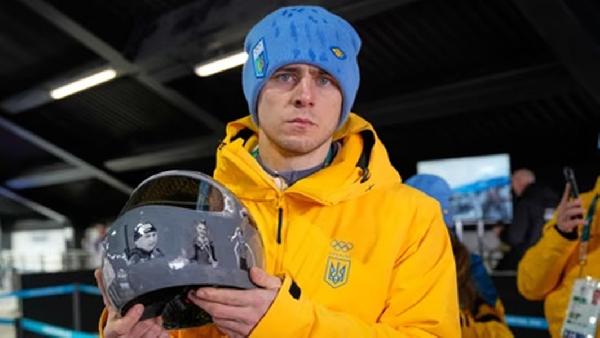
A Ukrainian athlete, Vladyslav Heraskevych, has been disqualified from competition after wearing a helmet that displayed images honoring Ukrainian soldiers killed in the ongoing conflict in his country. The International Olympic Committee (IOC) took the action, citing rules that prohibit political or partisan messages during official sporting events.
Heraskevych, a notable competitor in international events, had worn the helmet on multiple occasions. The headgear featured portraits and symbols paying tribute to fallen Ukrainian soldiers, drawing attention from fans and media alike. While many viewed the gesture as a heartfelt tribute, officials determined it violated IOC guidelines designed to keep major competitions politically neutral.
The IOC emphasized that international sporting events must remain neutral platforms, where political messaging is restricted to maintain fairness and unity among participants from across the globe. Although athletes frequently seek to raise awareness for personal or national causes, these rules aim to prevent political statements from influencing competition.
Public reaction to Heraskevych’s ban has been mixed. Supporters argue that his helmet was a personal expression of grief and patriotism, reflecting the impact of the conflict on Ukraine and its athletes. Critics, however, maintain that such gestures, while understandable, cannot be allowed during official competitions, as they may compromise the neutrality of international sporting events.
This incident underscores the ongoing debate over the role of sport as a platform for expression versus the need to adhere to established international regulations. As Ukraine continues to face the human and social toll of conflict, athletes like Heraskevych must navigate the delicate balance between personal tribute and the rules of global sports governance.
The IOC’s decision highlights the tension between athletic performance, national pride, and political expression, raising important questions about how athletes can honor their countries while complying with international standards. Heraskevych’s case is likely to remain a reference point in discussions about the limits of political symbolism in sports.
Source: Thepressradio.com
More Related Articles
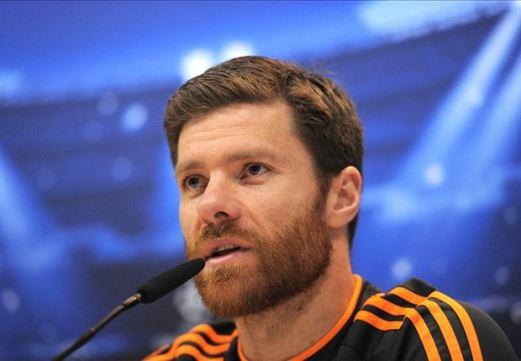
Xabi Alonso’s Spell at Real Madrid Ends After Mixed Results
Spanish football tactician Xabi Alonso has concluded his time as head coach of Real Madrid, bringing to an end a tenure marked by moments of promise and periods of inconsistency. Alonso exits the Santiago Bernabéu with a record of 24 wins, 6 defeats, and 4 draws, a run of results that has sparked de
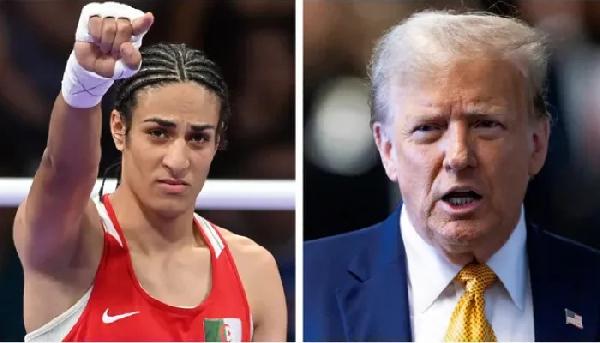
Olympic Boxer Imane Khelif Rejects Gender Claims, Speaks Out Against Online Misinformation
Algerian Olympic boxer Imane Khelif has publicly dismissed false claims about her gender identity, stating clearly, “I’m a girl, not transgender,” in response to allegations circulating on social media. The claims, which gained attention online, were linked to political discussions involving some su
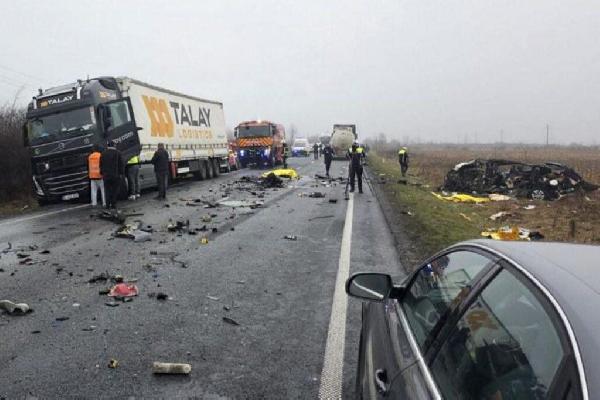
Tragic Accident Claims Lives of Seven PAOK Fans En Route to Europa League Match
A heartbreaking incident unfolded on Tuesday, January 27, 2026, when a minibus carrying supporters of Greek football club PAOK was involved in a fatal accident in western Romania. The vehicle, reportedly en route to a Europa League fixture, collided with a truck, resulting in the deaths of seven fan