

Uganda’s Presidential Election Challenged at Regional Court
Uganda’s recent presidential election is now the subject of a legal challenge at a regional level, as concerns over the conduct of the poll continue to generate debate. A petition has been filed at the East African Court of Justice, seeking a review of the electoral process and its compliance with r
Ogyem Solomon
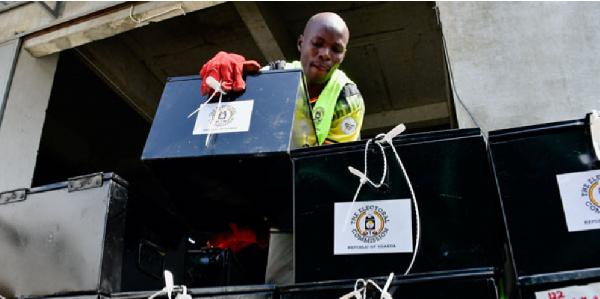
Uganda’s recent presidential election is now the subject of a legal challenge at a regional level, as concerns over the conduct of the poll continue to generate debate. A petition has been filed at the East African Court of Justice, seeking a review of the electoral process and its compliance with regional laws.
The case was brought forward by the Uganda Law Society, which argues that the election may have violated key principles of democracy, governance, and the rule of law as outlined in treaties governing the East African Community. The group is asking the court to determine whether the process met the standards expected of member states.
The election, held earlier this year, saw incumbent president Yoweri Museveni declared the winner, extending his long tenure in office. However, the outcome has been strongly contested by opposition figures and civil society organisations, who have raised concerns about transparency, fairness, and the overall credibility of the process.
According to the petition, the challenge focuses on whether the election adhered to regional obligations, particularly those related to democratic participation and accountability. The move to take the matter beyond Uganda’s borders reflects growing dissatisfaction among critics, some of whom believe that domestic legal mechanisms may not fully address their concerns.
The decision to involve a regional court is significant, as it introduces a broader legal dimension to the dispute. While Uganda’s own courts have handled election petitions in the past, this case places the issue within the framework of the East African Community, where member states are expected to uphold shared standards of governance.
The election itself had already been surrounded by controversy. Reports from observers and opposition groups pointed to alleged irregularities, restrictions on political activities, and challenges faced by opposition candidates during the campaign period. Concerns were also raised about the environment in which the election was conducted, including issues related to security presence and access to information.
Despite these criticisms, the government has maintained that the election was conducted in accordance with the law. Authorities have defended the process, insisting that the results reflect the will of the people and that proper procedures were followed.
Legal experts note that the East African Court of Justice does not have the authority to directly overturn election results. However, its rulings can carry significant weight and may influence future reforms or shape how similar disputes are handled within the region.
The case also highlights the increasing importance of regional institutions in addressing political and governance issues in Africa. By taking the dispute to a regional court, the petitioners are seeking not only a legal review but also greater accountability within the East African Community.
As the case proceeds, it is expected to attract attention from across the region and beyond. The outcome could have broader implications for electoral processes in East Africa, particularly in terms of how member states align with shared democratic standards.
For now, the legal challenge adds another layer of complexity to Uganda’s political landscape. With debates over governance and electoral integrity continuing, the court’s decision could play a key role in shaping future political discourse in the country and the wider region.
Source: Thepressradio.com
More Related Articles

Two Ugandan Women Detained for Allegedly Kissing in Public
Two young women in Uganda have been taken into police custody after being reported for allegedly kissing in public, highlighting the strict enforcement of the country’s Anti-Homosexuality Act of 2023. The incident occurred in Arua City, northwestern Uganda, when neighbours alerted authorities after

Zimbabwe Enters Staff‑Monitored Programme with IMF to Strengthen Economic Reforms
Zimbabwe has officially agreed to a Staff‑Monitored Programme (SMP) with the International Monetary Fund (IMF), signaling a major step forward in the country’s efforts to stabilize its economy and implement key fiscal and monetary reforms. The SMP is a framework through which IMF experts monitor Zim
UN Reports 6,000 Civilians Killed in Sudan Over Three Days Amid Ongoing Conflict
The United Nations (UN) has reported that at least 6,000 civilians were killed within just three days during the ongoing conflict in Sudan, highlighting the devastating human toll of the crisis. According to the UN, the violence has involved mass killings, summary executions, torture, abductions, an