

The Ohene Djan Effect: Africa’s Boycott of the 1966 World Cup
The 1966 FIFA World Cup in England is remembered not only for the thrilling matches but also for a significant political and sporting statement made by African nations. Ahead of the tournament, the majority of African countries chose to boycott the qualifiers, a move that would leave a lasting impac
Ogyem Solomon
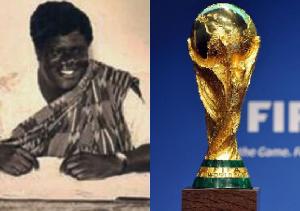
The 1966 FIFA World Cup in England is remembered not only for the thrilling matches but also for a significant political and sporting statement made by African nations. Ahead of the tournament, the majority of African countries chose to boycott the qualifiers, a move that would leave a lasting impact on the global football landscape.
The boycott is often linked to Ohene Djan, the influential Ghanaian football administrator who played a pivotal role in African football at the time. As a leading figure in the Confederation of African Football (CAF), Djan advocated strongly for equitable treatment of African teams on the world stage.
At the heart of the protest was the unfair allocation of World Cup qualifying spots. FIFA had allotted only one spot to 15 countries from Africa, Asia, and Oceania combined, while European and South American teams received far greater representation. African nations argued that this did not reflect the continent’s growing footballing talent and was a clear case of discrimination.
Under Djan’s leadership, African football administrators decided that the continent would withdraw from the 1966 qualifiers unless the system was revised. This was a bold stance, as it meant that many talented African players would miss the chance to compete on the global stage. Yet, the collective decision sent a powerful message about unity and fairness.
The boycott highlighted Africa’s determination to be recognized as an equal participant in international football. It demonstrated the continent’s willingness to take collective action to challenge systemic inequalities, even at the cost of immediate opportunities.
The move drew global attention and increased pressure on FIFA to reconsider its qualification process. While the 1966 World Cup proceeded without African representation, the protest paved the way for change. By the 1970 World Cup, Africa had secured its own guaranteed qualifying spot, marking the beginning of increased representation for the continent in future tournaments.
Today, the legacy of the 1966 boycott is remembered as a defining moment in African football history. It not only highlighted the continent’s talent but also its determination to fight for fair treatment and equal opportunity in the world of sports. Figures like Ohene Djan are credited with shaping this pivotal moment, ensuring that African voices were heard in the global football arena.
Source: Thepressradio.com
More Related Articles

Laryea Kingston Reveals How He Defied His Wife’s Concerns to Pursue Coaching Career
Former Black Stars midfielder Laryea Kingston has opened up about a deeply personal decision he made after retiring from professional football—choosing to become a coach despite his wife’s initial opposition. The former Ghana international revealed that the transition from playing to coaching was no
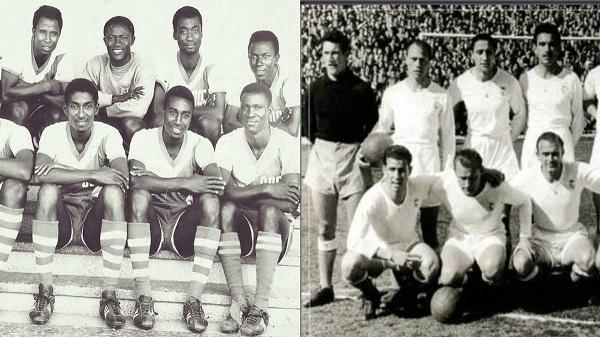
How the Black Stars Staged a Comeback Against Real Madrid Under Kwame Nkrumah
In the early years of Ghana’s independence, football was more than a sport — it was a symbol of national pride, identity, and ambition. One of the most powerful expressions of this vision came in 1962, when Ghana’s national team, the Ghana national football team (Black Stars), faced the European gia

WATCH: Hatayspor Honors Late Christian Atsu on Third Anniversary of His Passing
Turkish football club Hatayspor has paid a heartfelt tribute to former Ghana international Christian Atsu on the third anniversary of his untimely passing. The ceremony celebrated Atsu’s remarkable contributions to the club and the sport, reflecting the deep respect and affection held for him by the