

Samini Hints at Possible Leadership Role in Upper West Region, Sparks Public Debate
Ghanaian reggae and dancehall icon Samini has hinted at a possible future leadership role in the Upper West Region, sparking widespread discussion among fans, political observers, and residents of the region. The award-winning musician, born Emmanuel Andrews Samini, made the remarks during a recent
Ogyem Solomon
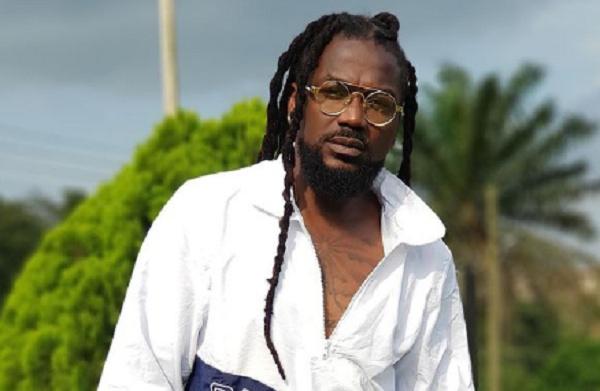
Ghanaian reggae and dancehall icon Samini has hinted at a possible future leadership role in the Upper West Region, sparking widespread discussion among fans, political observers, and residents of the region.
The award-winning musician, born Emmanuel Andrews Samini, made the remarks during a recent public engagement, where he suggested that he may one day consider taking on a leadership position in the Upper West Region. Although he stopped short of declaring any formal political ambitions, his comments were enough to ignite national conversation about the growing involvement of public figures in governance and community leadership.
Samini, widely respected for his long-standing contribution to Ghana’s music industry, has built a career that spans more than two decades. Known for using his music to address social issues, unity, peace, and development, he has gradually evolved into a public figure whose influence extends beyond entertainment. His statements have therefore been interpreted by many as more than casual remarks, but rather a signal of deeper interest in civic engagement.
Observers say the musician’s comments reflect a broader shift in Ghanaian public life, where entertainers, creatives, and cultural icons are increasingly expressing interest in governance, leadership, and national development. From advocacy campaigns to policy conversations, celebrities now play more visible roles in shaping public discourse.
For residents of the Upper West Region, Samini’s remarks have generated both excitement and curiosity. Some community members see his interest as a positive sign that national figures are paying more attention to the development needs of northern Ghana. Others, however, have called for clarity, urging him to outline specific intentions before public expectations grow.
Although he did not announce any concrete plans, Samini’s influence as a cultural figure has already positioned him as a voice many young people listen to. His platform, built through music, social engagement, and philanthropy, has given him credibility among youth groups and community organisations, particularly in conversations around empowerment, education, and development.
Analysts believe that if Samini eventually decides to pursue a leadership role, it would represent a significant transition from cultural influence to formal civic responsibility. Such a move would place him among a growing list of African public figures who have crossed from entertainment into leadership and governance spaces.
Political commentators also note that leadership today extends beyond formal political office. Community leadership, advocacy, development initiatives, and social influence are increasingly recognised as powerful tools for change. In this context, Samini’s interest in leadership could take multiple forms, ranging from development advocacy and community mobilisation to structured political engagement.
Social media reactions to his comments have been mixed but largely positive. Supporters have praised him for showing concern for national development and regional progress, while others have encouraged him to continue focusing on music and social advocacy rather than politics. Many fans, however, believe that leadership and artistry are not mutually exclusive and that his voice could bring value to national conversations.
Samini himself has remained measured in his response, choosing not to escalate speculation or make formal declarations. His approach has been described by observers as cautious, reflective, and responsible, especially in a political environment where premature statements can generate unnecessary tension and misinformation.
The discussion surrounding his comments has also revived broader conversations about youth leadership in Ghana. With a large youthful population and growing political awareness among young people, figures like Samini represent a bridge between popular culture and civic consciousness. His influence highlights how modern leadership is increasingly shaped by trust, visibility, and social connection rather than traditional political pathways alone.
As Ghana continues to explore new models of leadership and governance, voices from diverse sectors — including music, sports, business, and civil society are becoming more prominent in shaping national dialogue. Samini’s comments fit within this evolving landscape, where leadership is no longer confined to traditional political institutions.
For now, his remarks remain an expression of interest rather than a declaration of intent. However, they have successfully opened a national conversation about the role of cultural figures in development, governance, and community leadership.
Whether Samini eventually pursues a formal leadership role or continues to contribute through advocacy and influence, his statement has already achieved one important outcome: it has reignited debate about civic responsibility, regional development, and the evolving meaning of leadership in modern Ghanaian society.
As the conversation continues, many Ghanaians will be watching closely to see whether his interest develops into concrete action, structured initiatives, or formal public service engagement.
Source: Thepressradio.com
More Related Articles
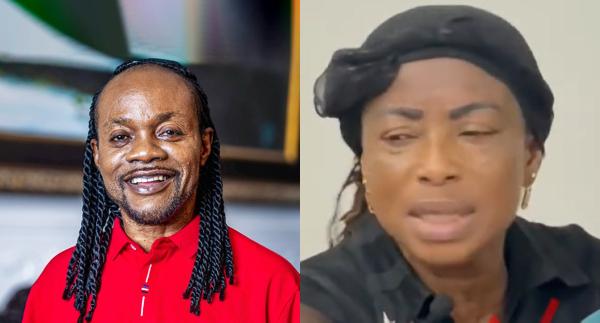
Family Cries Out Over Alleged Spiritual Distress Amid Daddy Lumba Burial Dispute
The family of late highlife legend Daddy Lumba has raised emotional concerns over ongoing burial disputes, with a relative claiming that the unresolved situation is causing deep spiritual and psychological distress within the family. An aunt of the deceased musician has publicly stated that the prol

LIVESTREAMING: IShowSpeed in Ghana
Popular American YouTuber and internet sensation iShowSpeed has received a warm and historic welcome in Ghana, where a traditional chief honoured him with a Ghanaian name, Obarima Kofi Akuffo, during his visit to the country. The naming ceremony, which took place in the presence of traditional leade
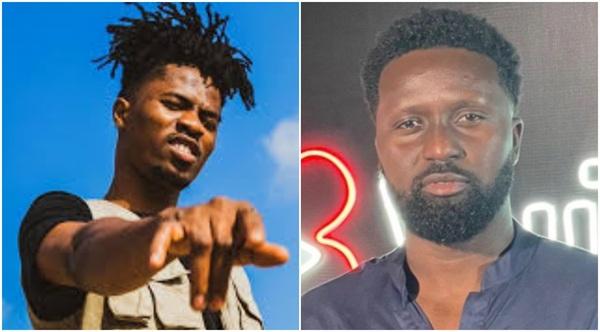
Kwesi Arthur Clarifies: I Fulfilled All Obligations Under Ground Up Chale
Ghanaian rapper Kwesi Arthur has publicly dismissed claims suggesting he left his former record label, Ground Up Chale, without meeting his contractual obligations. In a statement shared with the media, the award-winning artist insisted that he honoured all terms of his agreement before ending his p