

Saif al‑Islam Gaddafi Reportedly Killed Amid Libya’s Ongoing Instability
Reports emerging from Libya indicate that Saif al‑Islam Gaddafi, son of the late Libyan leader Muammar Gaddafi, has been shot dead, according to sources yet to be officially confirmed. Saif al‑Islam, 53, was a prominent figure in Libyan politics and often regarded as one of the country’s most high-p
Ogyem Solomon
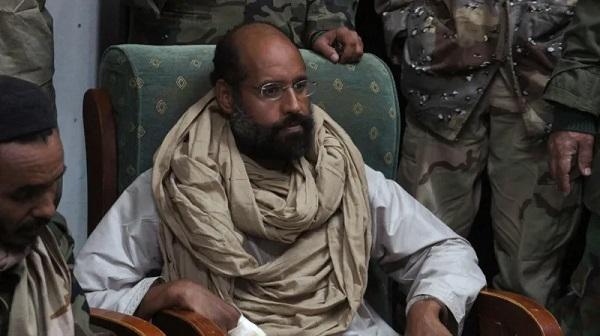
Reports emerging from Libya indicate that Saif al‑Islam Gaddafi, son of the late Libyan leader Muammar Gaddafi, has been shot dead, according to sources yet to be officially confirmed. Saif al‑Islam, 53, was a prominent figure in Libyan politics and often regarded as one of the country’s most high-profile political personalities since the fall of his father’s regime.
During his father’s rule, Saif al‑Islam was seen as a potential reformist and was involved in international diplomacy. After the 2011 uprising that toppled Muammar Gaddafi, Saif al‑Islam became a central figure in Libya’s fractured political landscape. Captured by militia forces later that year, he faced a death sentence in 2015, which was never carried out amid the country’s ongoing political turmoil and fragmented legal system.
Details surrounding his death remain unclear. Early reports suggest that he may have been killed in circumstances connected to the ongoing instability in Libya, where rival militias and competing political factions continue to contest control of the country. If confirmed, his death would mark a major turning point in Libya’s recent history, reflecting the persistent violence and challenges to national governance since the fall of the Gaddafi regime.
Throughout the years, Saif al‑Islam attempted to re-enter Libyan politics, positioning himself as a potential unifying figure amid rival governments and armed groups. His political activity and public statements often drew international attention, highlighting the complexities of Libya’s post-Gaddafi transition and the struggle to establish peace and stability.
The reported killing has sparked concern among regional observers, as it underscores the ongoing volatility in Libya and the risks faced by political actors navigating a country still deeply divided along factional and regional lines. Analysts suggest that his death could have significant implications for efforts to reconcile the rival factions and move toward national elections or a stable government.
Authorities and international agencies are expected to provide further updates as more information becomes available. In the meantime, Saif al‑Islam Gaddafi’s reported death serves as a reminder of the fragile political environment in Libya and the continuing impact of the 2011 revolution on the nation’s present-day governance and security.
Source: Thepressradio.com
More Related Articles
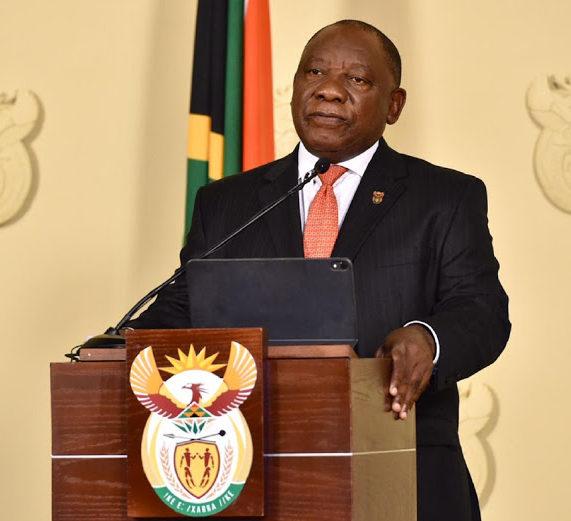
Cape Town Prepares for Army Deployment as Police Target Gang Strongholds
Cape Town is set to receive support from the South African National Defence Force (SANDF) as authorities intensify efforts to curb escalating gang violence across the city. The deployment, announced following President Cyril Ramaphosa’s recent State of the Nation Address, comes as police launch coor

Valentine’s Special: Political Insights and Life Lessons from Dr. Nkem
As Valentine’s Day unfolds, Dr. Nkem delivers a unique mix of political analysis and life lessons, reminding us that family, friendship, and personal values should take precedence over partisan loyalty. In a recent 40-minute video call, a friend raised concerns about high-profile donors in Nigeria’s
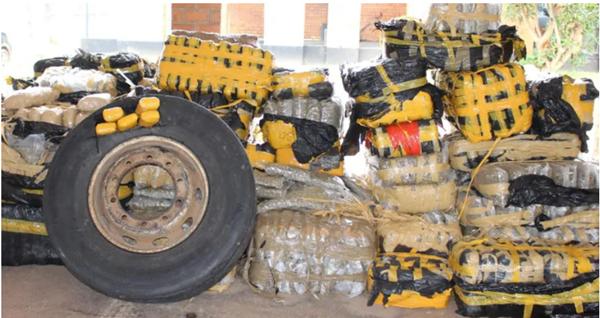
Notorious Tanzanian Drug Trafficker Arrested in Zambia During Major Raid
Zambian authorities have arrested a high-profile Tanzanian drug trafficker during a major anti-narcotics operation in Lusaka, highlighting the country’s ongoing efforts to crack down on organised drug networks. The arrest forms part of a broader crackdown by the Zambian Drug Enforcement Commission (