

Russian Blogger Accused of Secretly Filming Women in Ghana Sparks National Outrage
Ghanaian authorities have launched investigations into a Russian national accused of secretly recording women during intimate encounters in Ghana and sharing the footage online without their consent. The allegations have sparked widespread public outrage and renewed national conversations about digi
Ogyem Solomon

Ghanaian authorities have launched investigations into a Russian national accused of secretly recording women during intimate encounters in Ghana and sharing the footage online without their consent. The allegations have sparked widespread public outrage and renewed national conversations about digital privacy, consent, and cyber exploitation.
The man, described in media reports as a self-styled “pick-up artist” and online content creator, is alleged to have travelled to Ghana where he secretly filmed women during private interactions. The videos were reportedly shared across various social media platforms, drawing condemnation from the public and advocacy groups who described the act as exploitative, unethical, and criminal.
According to official sources, many of the women involved were unaware they were being recorded, and did not give permission for the videos to be made public. This has raised serious concerns about violations of Ghana’s privacy laws and the misuse of digital technology for personal gain.
Ghana’s government has since moved swiftly in response to the allegations. Authorities confirmed that diplomatic steps have been taken, including engagement with Russian officials to support investigations and possible extradition processes. The case is also being examined under Ghana’s Cybersecurity Act, which criminalises the non-consensual recording and distribution of intimate content.
Under Ghanaian law, recording and sharing private images or videos without consent is a serious offence that can attract heavy prison sentences and fines. Legal experts have explained that such acts fall under cybercrime, digital exploitation, and privacy violations, making the case not just a moral issue but a clear legal one.
Although reports suggest that the suspect may have left Ghana, government officials have stressed that his absence does not end the case. Security agencies are reportedly working with international partners to track his movements and ensure accountability. Authorities have indicated that all legal and diplomatic options remain on the table.
The incident has also sparked broader concern about the growing misuse of social media platforms for harmful content. Civil society groups and gender advocates have called for stronger international cooperation, better online safety enforcement, and increased public education on digital rights and consent.
Women’s rights organisations have described the alleged actions as a form of digital sexual exploitation, warning that technology is increasingly being weaponised against vulnerable individuals. They have urged governments and tech platforms to strengthen safeguards to prevent similar abuses.
Public reaction in Ghana has been intense, with many citizens expressing anger over what they describe as disrespectful and predatory behaviour. Social media users have called for justice for the victims and strict punishment for anyone found guilty of such acts, regardless of nationality.
The case has also reignited debates about foreign influencers and content creators operating in African countries without ethical boundaries, raising questions about accountability, cultural respect, and exploitation in the digital age.
As investigations continue, Ghanaian authorities have reassured the public that the matter remains a priority. Officials have emphasised that the protection of citizens’ dignity, privacy, and rights is non-negotiable and that anyone who violates these principles will face the full force of the law.
The unfolding case now stands as a powerful reminder of the dangers of digital abuse and the urgent need for stronger global action against non-consensual content creation and distribution, especially in an era where technology can rapidly amplify harm.
Source: Thepressradio.com
More Related Articles

TikTok’s US Venture to Collect Precise User Location Data, Raising Privacy Concerns
The U.S. branch of TikTok is facing scrutiny after announcing that it will begin collecting more precise location data from its users. The move, part of a broader strategy to enhance content personalization and advertising, has sparked concerns among privacy advocates and digital rights experts abou

Why Cardi B and Stefon Diggs Have Reportedly Ended Their Relationship
American rapper Cardi B and NFL star Stefon Diggs have reportedly gone their separate ways, bringing an end to their much-talked-about romance. According to reports, the split stems from ongoing personal differences and challenges that made it difficult for the pair to maintain a stable relationship
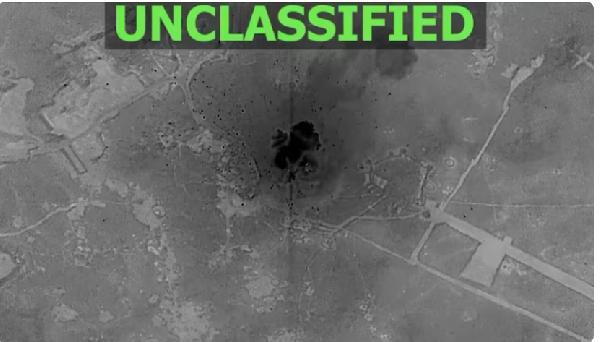
U.S. Conducts Fresh Military Strikes in Syria as Campaign Against ISIS Continues
The United States has carried out a new round of military strikes in Syria as part of its ongoing campaign to weaken and dismantle the Islamic State of Iraq and Syria (ISIS), reaffirming its commitment to countering extremist threats in the region. According to official reports, the strikes targeted