

Rosatom Highlights HR Development at BRICS Nuclear Platform Expert Session
Experts from the nuclear energy sector gathered in Cape Town, South Africa, on March 5, 2026, to discuss skills development and workforce training aimed at strengthening nuclear energy capacity across Africa. The discussions took place during an expert session of the BRICS Nuclear Platform, held as
Ogyem Solomon
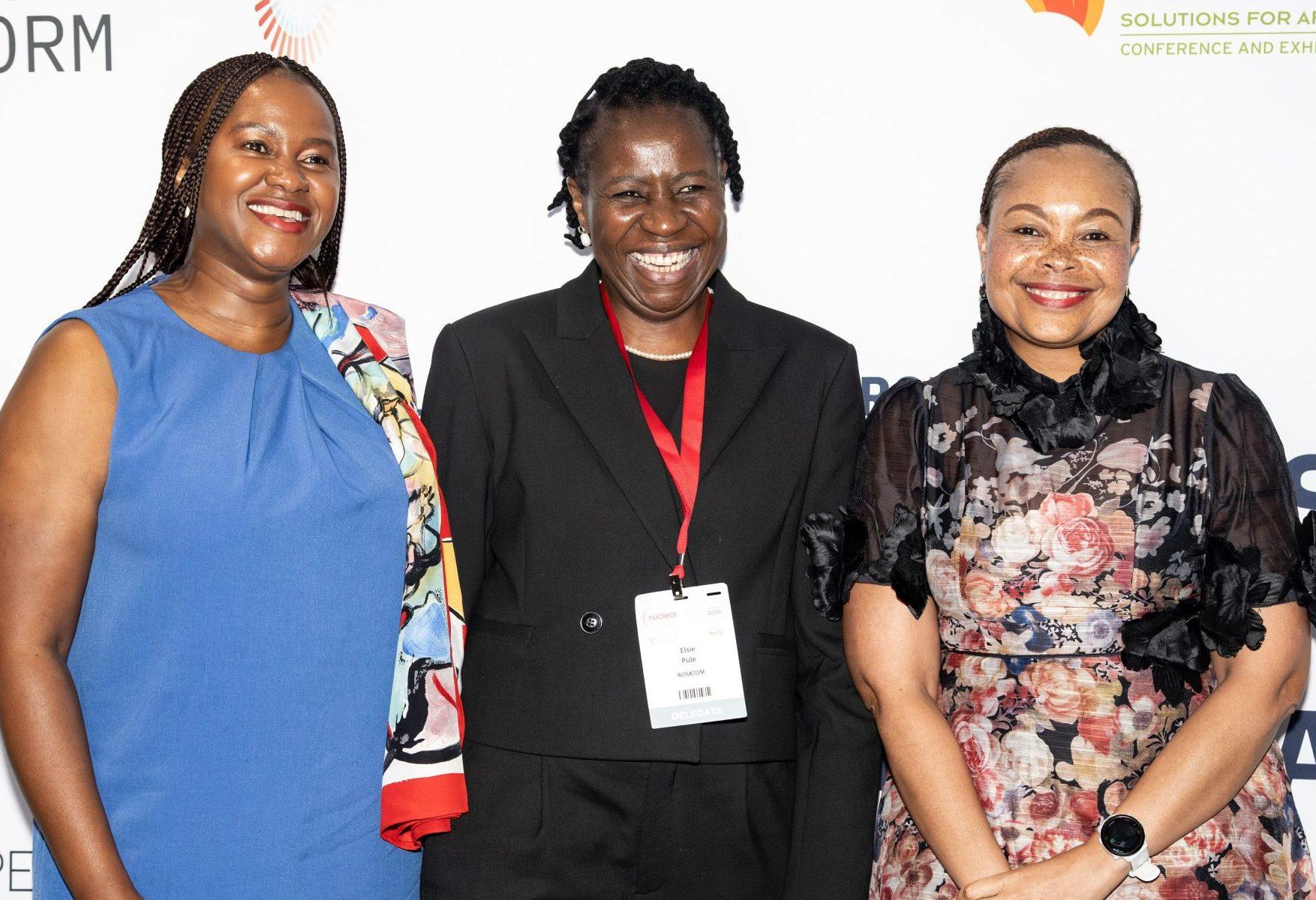
Experts from the nuclear energy sector gathered in Cape Town, South Africa, on March 5, 2026, to discuss skills development and workforce training aimed at strengthening nuclear energy capacity across Africa. The discussions took place during an expert session of the BRICS Nuclear Platform, held as part of the Africa Energy Indaba 2026.
The session brought together key representatives from nuclear organisations and government institutions across the BRICS+ countries and Africa. Participants explored best practices in human capital development and examined strategies to build the skilled workforce needed to support the growth of nuclear energy on the continent.
Among the speakers were officials from South Africa’s Department of Electricity and Energy, Eskom, South African Nuclear Energy Corporation, the Rwanda Atomic Energy Board, the Nuclear Power Plants Authority, and representatives from global nuclear organisations including Rosatom and China National Nuclear Corporation. Focus on Building a Skilled Nuclear Workforce
The main objective of the session was to exchange knowledge and best practices in developing the human resources required to expand the nuclear industry across Africa. Participants emphasized that strong investment in education, training, and talent development is essential to support nuclear infrastructure and technology localisation.
Tatiana Terentyeva, Deputy Director General for Human Resources at Rosatom, highlighted the company’s human-centered approach to workforce development.
According to her, more than 2,400 students from 65 countries are currently studying nuclear-related programmes at universities partnered with Rosatom. Over 350 of these students come from 24 African countries, demonstrating the growing interest in nuclear education across the continent.
Terentyeva added that about 70 percent of international graduates return to their home countries to contribute to national energy programmes, applying the skills and knowledge acquired through their studies. Strengthening Local Capacity and Inclusion
Participants also stressed the importance of localising nuclear technologies and training programmes to ensure African countries develop the expertise needed to operate and manage nuclear facilities independently.
They noted that developing young professionals in the nuclear sector requires sustained investment and long-term planning. The issue of gender representation was also raised, with experts acknowledging that women remain underrepresented in the nuclear industry. Cooperation and New Initiatives
During the session, Rosatom and South African Nuclear Energy Corporation signed a Memorandum of Understanding aimed at strengthening cooperation in human resource development.
Elsie Pule, Head Coordinator of the BRICS Nuclear Platform and moderator of the event, noted that the discussions and proposals raised during the meeting will guide the work of the Platform’s Skills and Talent Development Working Group.
She also announced the launch of the “Atoms Empowering Africa” competition, a regional initiative scheduled for 2026. The competition aims to support youth engagement in the nuclear sector by promoting education, leadership development, and greater awareness of nuclear energy among young Africans. Expanding Nuclear Cooperation Through BRICS
The BRICS Nuclear Platform serves as a collaborative initiative bringing together nuclear organisations from BRICS member countries and partners. The platform focuses on promoting nuclear energy as a reliable and environmentally friendly power source while encouraging international cooperation and knowledge sharing.
Through initiatives such as expert sessions, training programmes, and joint projects, organisations like Rosatom continue to play an active role in strengthening international partnerships in nuclear education and workforce development, helping African countries build the expertise needed to support sustainable energy growth.
Source: Thepressradio.com
More Related Articles
Military plane crash claims at least 34 lives
A tragic military plane crash has claimed the lives of at least 34 people in Sudan, raising fresh concerns about aviation safety in conflict-affected regions. The aircraft, believed to be a military transport plane, reportedly went down under unclear circumstances, resulting in significant casualtie
WATCH: Ghanaian in Russian Army Claims Salary Can Support Family for Three Years
A Ghanaian man serving in the Russian army has stirred reactions online after boasting that his salary is enough to feed a family for three years. The statement, shared in a viral video, has sparked discussion about why some Ghanaians take up foreign military service and the economic pressures that
Reports Indicate US Military Troop Deployment to Nigeria Amid Security Concerns
Reports have emerged suggesting that the United States has deployed military troops to Nigeria as part of efforts to address ongoing security challenges in the country. While official confirmation and full details remain limited, the reported deployment has drawn attention due to Nigeria’s persisten