

Oil Prices Surge to $90 Per Barrel Amid Israel–Iran Conflict
Global oil prices have jumped to approximately $90 per barrel as escalating hostilities between Israel and Iran fuel concerns over disruptions to crude oil supply and potential economic repercussions worldwide. The conflict, which has intensified in recent days, threatens stability in the Middle Eas
Ogyem Solomon
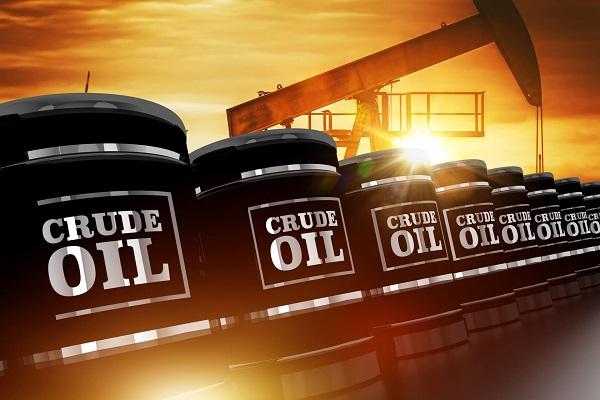
Global oil prices have jumped to approximately $90 per barrel as escalating hostilities between Israel and Iran fuel concerns over disruptions to crude oil supply and potential economic repercussions worldwide.
The conflict, which has intensified in recent days, threatens stability in the Middle East, a region responsible for a substantial portion of global oil production and exports. Analysts say fears of supply interruptions have triggered volatility in energy markets as traders respond to the unfolding crisis.
A major factor driving the surge is the heightened risk to shipping through the Strait of Hormuz, a critical route through which roughly 20% of the world’s oil supply passes. Any obstruction in this narrow waterway could significantly constrain the availability of crude oil on international markets.
Recent attacks and retaliatory strikes linked to the conflict have already impacted oil infrastructure and tanker operations. Military actions, drone attacks, and security advisories have forced some producers and shipping companies to scale back operations, further fueling supply concerns.
The escalation has driven Brent crude, the global benchmark, past the $90-per-barrel threshold, marking one of the sharpest increases in recent months. Experts warn that continued conflict or expansion of hostilities to other oil-producing nations could push prices even higher.
Higher oil prices are already affecting economies around the world. Increased crude costs typically lead to higher fuel prices, transportation expenses, and inflation, placing additional pressure on governments and consumers. Economists caution that prolonged instability in the region could push oil toward $100 per barrel, with significant implications for global markets and economic growth.
The international community continues to monitor the situation closely, urging caution and dialogue to prevent further escalation and stabilize energy markets.
Source: Thepressradio.com
More Related Articles
Vehicle Prices in Ghana Expected to Drop by 15% as Dealers Announce Major Reduction
Ghanaian car buyers may soon experience significant relief as the Automobile Dealers Union of Ghana (ADUG) has announced that vehicle prices across the country are expected to fall by about 15 percent. The development comes as part of efforts by dealers to align with global market trends and improve
COMAC Announces Slight Fuel Price Increase Effective February 16
The Chamber of Oil Marketing Companies (COMAC) has announced that petroleum prices across Ghana will experience a slight increase starting February 16, 2026. The adjustment will affect key products, including petrol, diesel, and other petroleum derivatives, reflecting recent fluctuations in global o

Building Cost Inflation in Ghana Declines for Eighth Consecutive Month
Building cost inflation in Ghana continued to ease in December 2025, marking the eighth straight month of declining prices in the construction sector, according to data from the Ghana Statistical Service (GSS). The report indicates that the cost of construction materials and related expenses has mod