

Minority in Parliament Issues Stern Warning to Chief Justice and Supreme Court Judges
The Minority caucus in Ghana’s Parliament has issued a strong public warning to Chief Justice Paul Baffoe-Bonnie and other judges of the Supreme Court, raising concerns about what it describes as troubling actions by the country’s highest judicial body. The warning, delivered on Monday, January 26,
Ogyem Solomon
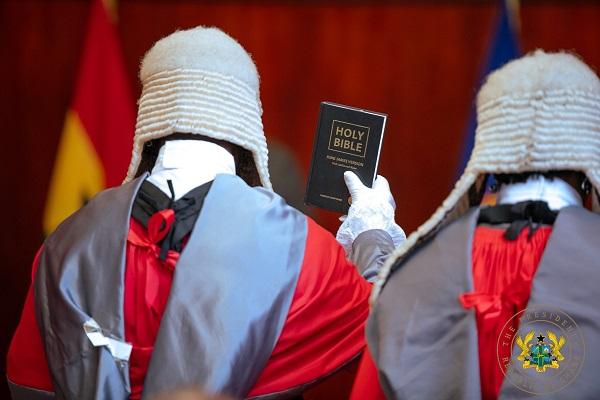
The Minority caucus in Ghana’s Parliament has issued a strong public warning to Chief Justice Paul Baffoe-Bonnie and other judges of the Supreme Court, raising concerns about what it describes as troubling actions by the country’s highest judicial body. The warning, delivered on Monday, January 26, 2026, has intensified ongoing debates about the balance of power among Ghana’s democratic institutions.
According to the Minority, recent developments within the judiciary have raised serious questions about judicial independence, accountability, and public confidence in the justice system. Addressing the media, Minority Leader Alexander Afenyo-Markin emphasized that the caucus believes the Supreme Court must act in a manner that strengthens democracy rather than undermines it.
The Minority cautioned that decisions and actions taken by the Supreme Court should reflect fairness, transparency, and strict adherence to the Constitution. They warned that any perception of political bias or overreach could erode public trust in the judiciary, an institution widely regarded as the final arbiter of justice in Ghana.
Afenyo-Markin stressed that while the Minority respects the independence of the judiciary, such independence must go hand in hand with accountability. He argued that judges, particularly those at the Supreme Court level, must remain conscious of the far-reaching consequences of their rulings on governance, constitutional order, and national stability.
The statement comes at a time of heightened tension between political actors and the judiciary, with several court decisions in recent months attracting public scrutiny and political commentary. While the Minority did not outline specific sanctions or actions they intend to pursue, their warning signals growing frustration within Parliament over what they perceive as judicial conduct that may affect the separation of powers.
Political analysts say the Minority’s remarks reflect broader concerns about institutional boundaries and democratic checks and balances. Some observers argue that such public warnings, while controversial, can stimulate national dialogue on governance and constitutional interpretation. Others caution that escalating rhetoric between Parliament and the judiciary could risk politicising the justice system.
Civil society organisations have also weighed in on the matter, urging restraint and constructive engagement between state institutions. They have called on all parties to respect constitutional processes and resolve disagreements through dialogue rather than public confrontation. Legal experts emphasize that maintaining public confidence in the judiciary is essential for the rule of law and democratic stability.
Meanwhile, supporters of the Minority’s position argue that Parliament has a duty to speak out when it believes democratic principles are under threat. They maintain that the warning serves as a reminder that no institution operates above public scrutiny, especially when constitutional interpretation has national implications.
As the situation continues to unfold, Ghanaians are closely watching how the judiciary, Parliament, and other stakeholders respond. The development underscores the delicate relationship between Ghana’s arms of government and the ongoing challenge of preserving institutional independence while ensuring accountability.
The Minority has indicated that it will continue to monitor developments closely and engage relevant stakeholders to protect Ghana’s democratic values. Whether the warning will lead to dialogue or further tension remains to be seen, but the episode has already sparked a nationwide conversation on governance, justice, and constitutional responsibility.
Source: Thepressradio.com
More Related Articles
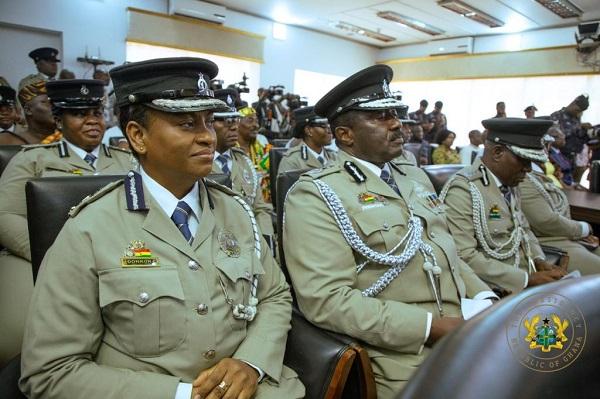
IGP Yohuno Reassigns Top Police Commanders to Strengthen Leadership and Operations
Ghana’s Inspector-General of Police (IGP) Yohuno has initiated a major reshuffle within the Ghana Police Service, reassigning several senior officers to new leadership roles across key units. The move is part of a broader strategy to enhance operational effectiveness, accountability, and service del
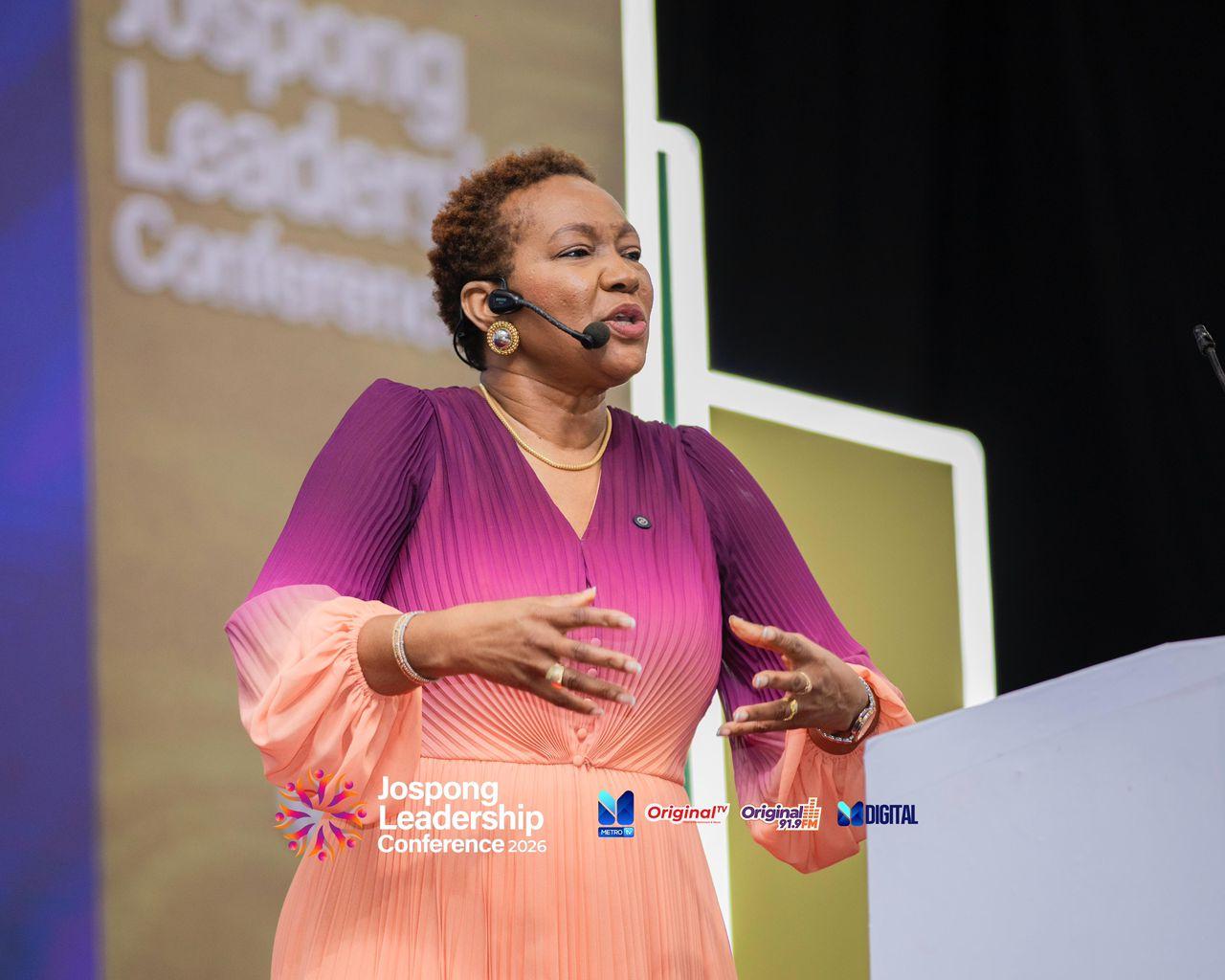
Skills Open Doors, Character Sustains Influence – Rev. Dr. Nike Adeyemi on Building Tomorrow’s Leaders Today
Rev. Dr. Mrs. Nike Adeyemi, a respected Nigerian pastor and a leading voice in Christian and humanitarian circles, has challenged African leaders to look beyond titles and targets, and turn their attention to the people and families they are shaping along the way. Addressing participants at the 13th
Police Arrest 22 Togolese Nationals for Suspected Illegal Mining in Savannah Region
The Savannah Regional Police Intelligence Department has arrested 22 foreign nationals, all reportedly from Togo, in connection with suspected illegal mining operations in the region. The arrests form part of a coordinated crackdown on unauthorized mining activities, commonly referred to in Ghana as