

Ivory Coast Considers Cocoa Price Reduction After Ghana’s Adjustment
Ivory Coast is reportedly considering a reduction in the price paid to cocoa farmers, following a similar decision recently taken by Ghana. The potential move is drawing attention across West Africa’s cocoa sector, as both countries play a dominant role in global cocoa production and pricing. Ghana
Ogyem Solomon
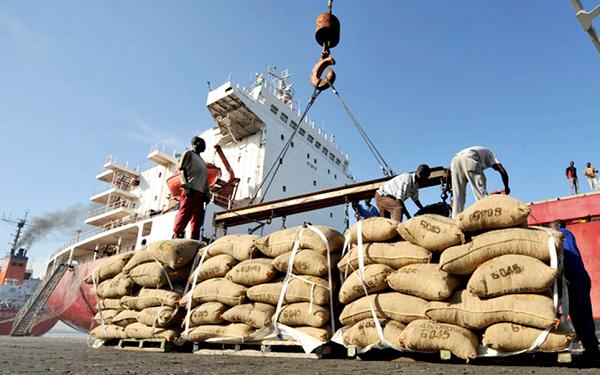
Ivory Coast is reportedly considering a reduction in the price paid to cocoa farmers, following a similar decision recently taken by Ghana. The potential move is drawing attention across West Africa’s cocoa sector, as both countries play a dominant role in global cocoa production and pricing.
Ghana and Ivory Coast together account for more than half of the world’s cocoa supply, making any policy change in either country highly influential in international commodity markets. With Ghana already adjusting its farm-gate cocoa prices, industry observers say it was only a matter of time before Ivory Coast began reviewing its own pricing structure.
Sources indicate that discussions are currently ongoing among government officials, agricultural authorities, and industry stakeholders in Ivory Coast to assess the impact of global cocoa market fluctuations and domestic economic pressures. These consultations are focused on balancing farmer welfare, national revenue needs, and long-term sustainability of the cocoa industry.
Cocoa farming remains the backbone of rural livelihoods in both countries, employing millions of smallholder farmers and contributing significantly to export earnings. Any reduction in producer prices therefore has serious implications for household incomes, rural economies, and food security in farming communities.
Many farmers are already facing rising costs of production, including fertilizers, transportation, and farm maintenance. A reduction in cocoa prices could worsen financial pressure on growers, making it harder for them to sustain their farms and support their families. Farmer groups and cooperatives have expressed concerns that price cuts, if not managed carefully, could lead to long-term damage to the sector.
At the same time, governments argue that pricing decisions must reflect global market realities. International cocoa prices are influenced by supply levels, demand from chocolate manufacturers, currency fluctuations, and global economic conditions. Policymakers believe that aligning domestic pricing structures with market trends is necessary to maintain competitiveness and stability in the sector.
Analysts say Ivory Coast’s consideration of a price adjustment signals a broader regional shift in cocoa policy management. Rather than acting independently, producing countries are increasingly monitoring each other’s strategies in order to maintain balance and avoid market distortions.
If implemented, the price reduction would represent a significant policy shift and could reshape farmer expectations, export revenues, and regional cocoa trade dynamics. It may also trigger further discussions among other cocoa-producing nations in West Africa.
As consultations continue, stakeholders are calling for transparency, farmer engagement, and supportive policies that protect livelihoods while ensuring the long-term sustainability of the cocoa industry. Observers stress that any decision must strike a careful balance between economic realities and the welfare of the millions of people who depend on cocoa farming for survival.
Source: Thepressradio.com
More Related Articles
NPP Communicator Criticizes Cocoa Price Cut, Says Farmers Are Unfairly Penalized
A communications officer for the New Patriotic Party (NPP) has condemned the recent reduction in the farmgate price of cocoa, describing the decision as unfair to farmers and insensitive to the economic realities faced by Ghana’s cocoa-growing communities. Speaking publicly, the NPP official highlig
Buyers Turn Away from Ghana’s Cocoa as High Prices Hit Global Competitiveness – COCOBOD
The Cocoa Marketing Company (COCOBOD) has raised concerns that international buyers are increasingly shunning Ghana’s cocoa due to its high prices, making the country’s beans less competitive on the global market. According to COCOBOD officials, although Ghana is known worldwide for producing premiu
COMAC Announces Slight Fuel Price Increase Effective February 16
The Chamber of Oil Marketing Companies (COMAC) has announced that petroleum prices across Ghana will experience a slight increase starting February 16, 2026. The adjustment will affect key products, including petrol, diesel, and other petroleum derivatives, reflecting recent fluctuations in global o