

Ghana’s Inflation Falls to 3.8% in January 2026, Marking Continued Economic Stability
Ghana’s inflation rate fell further in January 2026, dropping to 3.8 percent, according to the latest report from the Ghana Statistical Service (GSS). This marks the lowest inflation rate in recent years and reflects a continued easing of price pressures across the country. The January figure repres
Ogyem Solomon
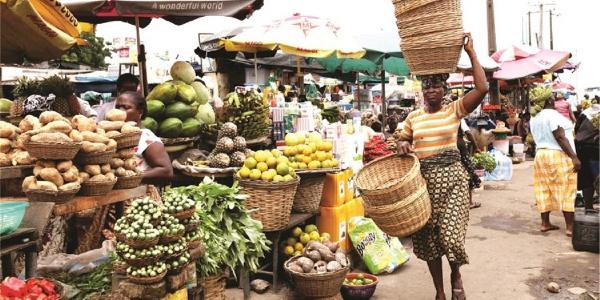
Ghana’s inflation rate fell further in January 2026, dropping to 3.8 percent, according to the latest report from the Ghana Statistical Service (GSS). This marks the lowest inflation rate in recent years and reflects a continued easing of price pressures across the country.
The January figure represents a significant decline from 5.4 percent in December 2025, continuing a downward trend that has persisted for over a year. Analysts attribute the slowdown to improved supply conditions, moderated demand pressures, and softer commodity prices, which have collectively contributed to a more stable pricing environment.
Both food and non-food prices showed notable moderation. Food inflation, which impacts households most directly, fell to 3.9 percent, down from 4.9 percent in December, while non-food inflation also eased to 3.9 percent. The consumer price index (CPI) rose to 262.3 in January from 252.6 a year earlier, driving the year-on-year inflation rate to 3.8 percent.
Government Statistician Dr Alhassan Iddrisu highlighted that the continued decline in inflation is a positive signal for economic stability. He noted that the trend supports household purchasing power and offers businesses a more predictable environment for planning and investment.
Economists have welcomed the decline, pointing out that Ghana’s current inflation rate sits well below the Bank of Ghana’s target range of around 8 percent, providing policymakers with flexibility in monetary planning. While some regional disparities in price changes remain, the overall trend demonstrates strengthened price stability nationwide.
The continued disinflation also reflects broader improvements in fiscal management and supply chain conditions, which have helped temper the cost of living. Analysts believe that if the trend persists, it could enhance investor confidence and encourage domestic spending, further supporting economic growth.
Authorities have, however, urged vigilance, emphasizing the need to maintain fiscal discipline and prudent economic policies to ensure that the gains in inflation control are sustained.
Source: Thepressradio.com
More Related Articles

Old Video of Deceased Gang Leader Discussing Business Ideas Resurfaces Online
A resurfaced video of a deceased suspected gang leader speaking about business ideas has sparked widespread discussion on social media. The footage, which has recently gone viral, shows the late Eric Duku, believed to have led a notorious carjacking syndicate, sharing thoughts on entrepreneurship an
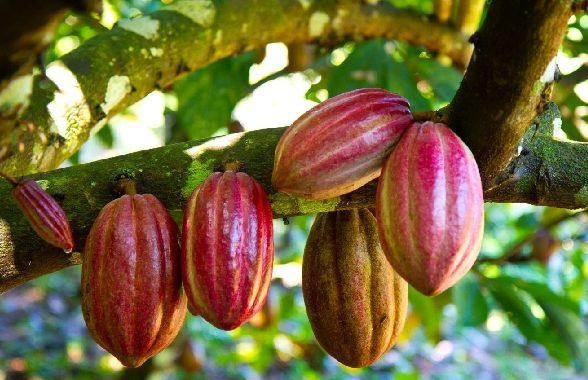
Buyers Turn Away from Ghana’s Cocoa as High Prices Hit Global Competitiveness – COCOBOD
The Cocoa Marketing Company (COCOBOD) has raised concerns that international buyers are increasingly shunning Ghana’s cocoa due to its high prices, making the country’s beans less competitive on the global market. According to COCOBOD officials, although Ghana is known worldwide for producing premiu
NPP Communicator Criticizes Cocoa Price Cut, Says Farmers Are Unfairly Penalized
A communications officer for the New Patriotic Party (NPP) has condemned the recent reduction in the farmgate price of cocoa, describing the decision as unfair to farmers and insensitive to the economic realities faced by Ghana’s cocoa-growing communities. Speaking publicly, the NPP official highlig