

Ghana’s Anti-LGBTQ+ Bill Sparks Nationwide Debate as Parliament Reviews New Legislative Proposals
Ghana’s Parliament is once again at the center of national attention following renewed discussions on a proposed bill that seeks to criminalise activities associated with LGBTQ+ identities. The legislation, which has generated intense public debate across political, religious, and social spaces, aim
Ogyem Solomon

Ghana’s Parliament is once again at the center of national attention following renewed discussions on a proposed bill that seeks to criminalise activities associated with LGBTQ+ identities. The legislation, which has generated intense public debate across political, religious, and social spaces, aims to introduce stricter legal measures governing behaviours linked to sexual and gender minorities.
The bill, presented by a group of Members of Parliament, is being promoted as a move to protect Ghana’s cultural values and moral standards. Supporters argue that the country’s existing laws do not adequately reflect the beliefs and traditions of the majority of citizens, and they insist that legislation must align with what they describe as Ghanaian social principles.
According to parliamentary updates, the proposed law would expand the scope of offences related to LGBTQ+ activities and introduce clearer legal definitions and penalties. Proponents of the bill believe that it will strengthen the legal system and provide a framework that supports what they view as national identity and cultural preservation.
However, the proposal has triggered widespread criticism from human rights groups, civil society organisations, and legal experts. Critics argue that criminalising LGBTQ+ activities violates fundamental human rights and threatens personal freedoms, including privacy, expression, and association. They warn that such legislation could deepen discrimination, increase social exclusion, and expose vulnerable communities to stigma and abuse.
The national conversation surrounding the bill has become increasingly polarised. Religious institutions and traditional leaders have largely expressed support for the legislation, stating that it reinforces moral discipline and social order. On the other hand, human rights advocates and youth groups have raised concerns about the long-term consequences of embedding discrimination into national law.
Legal analysts have also questioned the constitutionality of the proposed bill, suggesting that certain provisions could conflict with Ghana’s constitutional protections. They argue that any legal reform must be consistent with the country’s legal framework and international obligations, particularly those related to human rights conventions and treaties.
Within Parliament, discussions remain ongoing, with lawmakers divided on the future of the bill. Some legislators maintain that the law reflects the will of the people and must be passed to protect national values. Others caution that legislation driven by social pressure rather than legal principles could damage Ghana’s democratic image and international reputation.
The bill has also attracted attention beyond Ghana’s borders, drawing reactions from international organisations and foreign governments. Observers have warned that such legislation could affect Ghana’s diplomatic relations and global standing, particularly in areas related to development partnerships, human rights cooperation, and international engagement.
Civil society groups continue to call for dialogue rather than confrontation. They argue that sustainable national unity can only be achieved through understanding, education, and inclusive discussions rather than punitive laws. Advocacy groups have encouraged peaceful engagement and public education as tools for addressing sensitive social issues.
As parliamentary committees continue their reviews and consultations, the future of the bill remains uncertain. Public hearings and stakeholder engagements are expected to influence the final direction of the legislation, with lawmakers under increasing pressure from both supporters and opponents.
The debate highlights a deeper national struggle over identity, values, and the direction of Ghana’s democracy. It reflects broader questions about how African societies navigate tradition, cultural beliefs, and modern human rights frameworks in an evolving global environment.
Ultimately, the outcome of this legislative process will not only shape Ghana’s legal system but also define how the country approaches diversity, inclusion, and citizenship in the years ahead. As discussions continue, many Ghanaians are calling for calm, respectful dialogue and responsible leadership that prioritises national unity and social stability.
Source: Thepressradio.com
More Related Articles
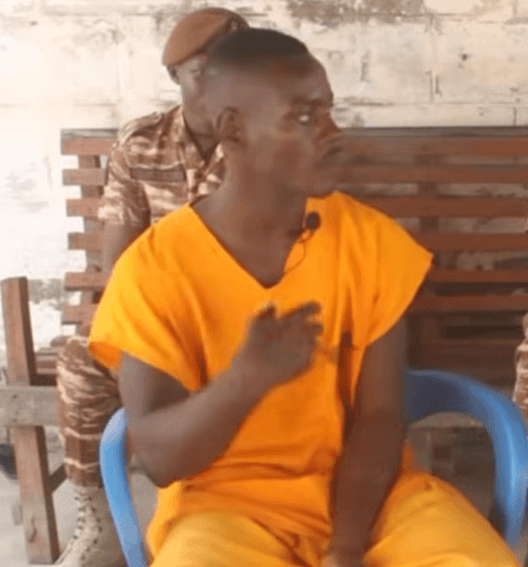
Prison experience Helps 29-Year-Old Farmer turn his life Around
A 29-year-old farmer from Ajumako Breman Essiam has shared how his time in prison has positively impacted his life, prompting a personal transformation and a renewed appreciation for the consequences of his actions. Maxwell Oppong, who is currently serving a two-year, six-month sentence for stealing
“Forgiveness Is Freedom” – Joe Ghartey Rallies NPP in Central Region to Close Ranks Ahead of 2028
Hon. Joe Ghartey, a former Attorney-General and Minister of Justice, has urged members of the New Patriotic Party (NPP) to bury their differences, and rally behind Dr. Mahamudu Bawumia, to ensure victory for the NPP in the 2028 general elections. Specifically, Hon. Ghartey, the NPPR

Over 100 Vehicles Destroyed in Devastating Sofoline Fire
A massive fire outbreak has destroyed more than 100 vehicles at several mechanic shops in Sofoline, a bustling area in the Kwadaso Municipality of Ghana’s Ashanti Region. The incident has left shop owners, vehicle owners, and workers devastated, highlighting concerns about fire safety and emergency