

Ghanaian Man Alleges Rights Violations by FBI in U.S. Arrest
A 27-year-old Ghanaian national, popularly known as Abu Trica, has alleged serious violations of his rights following his arrest in the United States, claiming that officers of the Federal Bureau of Investigation (FBI) forced him to reveal his phone password and sign official documents that he could
Ogyem Solomon
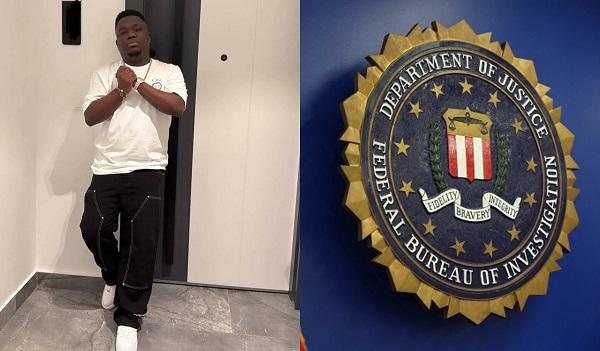
A 27-year-old Ghanaian national, popularly known as Abu Trica, has alleged serious violations of his rights following his arrest in the United States, claiming that officers of the Federal Bureau of Investigation (FBI) forced him to reveal his phone password and sign official documents that he could not read or understand.
According to Abu Trica, the incident occurred during his detention, where he says he was subjected to pressure by law enforcement officers to comply with instructions that compromised his legal rights. He claims he was compelled to unlock his mobile phone, granting authorities access to his private data, and was made to sign documents without being given proper explanations or translations.
He argues that these actions amounted to a violation of his fundamental human rights and due process protections. Abu Trica insists that he did not fully understand the content of the documents he was made to sign, raising concerns about consent, legality, and fairness in the handling of his case.
The Ghanaian national has expressed deep distress over the experience, stating that he felt intimidated and powerless during the process. He believes that his lack of understanding of the legal system and language barriers placed him at a disadvantage, making him vulnerable during the interrogation and documentation procedures.
Human rights advocates have long emphasized the importance of legal safeguards for foreign nationals arrested abroad, particularly regarding access to legal representation, language assistance, and informed consent. Legal experts note that international standards require law enforcement agencies to ensure that detainees fully understand any documents they are asked to sign and the legal consequences of their actions.
Abu Trica’s claims have sparked conversations about the treatment of foreign nationals in legal systems outside their home countries. Observers argue that such situations highlight the need for stronger protections, transparent procedures, and respect for due process, especially in cases involving immigrants or non-citizens.
The case also raises broader concerns about privacy rights in the digital age. Forced access to personal devices has become a growing legal and ethical issue worldwide, with civil rights organizations advocating for stricter regulations and clearer boundaries for law enforcement practices involving digital data.
While official responses from U.S. authorities have not been publicly detailed, the allegations have drawn attention within Ghanaian communities both at home and abroad. Many are calling for diplomatic engagement and legal support to ensure that the rights of Ghanaian citizens are protected when they face legal challenges overseas.
As the situation develops, the case of Abu Trica continues to raise important questions about human rights, legal protection, and due process for foreign nationals within international justice systems. The outcome may influence future discussions on how law enforcement agencies interact with non-citizens and handle sensitive legal procedures involving vulnerable individuals.
>>>>>CLICK HERE FOR THE FULL MOTION NOTICE>>>>>
Source: Thepressradio.com
More Related Articles

Beloved Content Creator Sunshine Esther Dies from Surgery Complications
Ghanaian content creator Sunshine Esther, widely celebrated for her comedic skits and engaging online presence, has tragically passed away following complications from surgery. Her death has sent shockwaves through Ghana’s entertainment and social media communities, leaving fans, colleagues, and fel

Kwesi Arthur Accuses Former Record Label of Exploitation and Intimidation
Award-winning Ghanaian rapper Kwesi Arthur has publicly accused his former record label, Ground Up Chale, of exploitation and intimidation, alleging that the company continues to exercise control over his career despite his exit several years ago. In a series of social media posts, the musician clai

Accra High Court Confirms Daddy Lumba Did Not File a Will
The Accra High Court has confirmed that the late Highlife music legend, Charles Kwadwo Fosu, popularly known as Daddy Lumba, did not file a will prior to his passing. This revelation means that the musician’s estate will be handled under Ghana’s intestate succession laws, which dictate the distribut