

Ernestina Fosu Clarifies Rumours Surrounding Daddy Lumba’s Alleged “Second Funeral”
Ghanaian media personality Ernestina Fosu has moved to dispel widespread rumours and misinformation surrounding reports of a so-called “second funeral” for legendary highlife musician Daddy Lumba, urging the public to rely on verified information rather than social media speculation. In a public cla
Ogyem Solomon
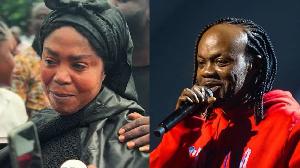
Ghanaian media personality Ernestina Fosu has moved to dispel widespread rumours and misinformation surrounding reports of a so-called “second funeral” for legendary highlife musician Daddy Lumba, urging the public to rely on verified information rather than social media speculation.
In a public clarification, Fosu explained that the viral claims circulating online were based on misinterpretations and false narratives that had no factual basis. According to her, what some social media users described as a “second funeral” was, in reality, a misunderstanding of private family activities that were wrongly labelled and sensationalised on digital platforms.
She stressed that the rapid spread of unverified information had created unnecessary confusion among fans and the general public, particularly given Daddy Lumba’s iconic status in Ghana’s music industry. Fosu warned that such misinformation not only misleads audiences but also disrespects the privacy and dignity of families involved in personal matters.
The rumours gained traction across various social media platforms, where users shared posts and commentary without confirmation from credible sources. As the story spread, many fans expressed concern and confusion, with some believing the claims to be true due to the speed and volume of online engagement surrounding the issue.
Fosu described the situation as a clear example of how misinformation thrives in the digital era, especially when it involves high-profile public figures. She noted that celebrity-related content often attracts massive attention, making it easy for false narratives to go viral before accurate information becomes available.
She therefore urged the public to exercise restraint, verify sources, and seek confirmation from reliable media outlets or official statements before reacting to or sharing sensitive information. According to her, responsible digital behaviour is now more important than ever in an age where anyone can publish content instantly to large audiences.
Daddy Lumba, whose career spans decades and has shaped Ghana’s highlife and contemporary music scenes, commands a loyal and emotionally invested fan base. Any news involving his personal life naturally draws strong public interest, which makes the spread of misinformation even more damaging.
Cultural commentators have noted that rumours involving respected public figures often escalate quickly because of emotional attachment and public curiosity. Without timely clarification, speculation can quickly become accepted as fact within online communities.
Fosu’s intervention has been widely welcomed by fans and media observers, many of whom praised her for addressing the issue directly and responsibly. Her clarification helped restore calm and redirected public attention toward verified information rather than rumours.
Media analysts say the incident highlights the growing challenge of digital misinformation in Ghana’s entertainment space, where viral content often travels faster than factual reporting. They argue that public figures, journalists, and content creators all share responsibility in maintaining information integrity.
The situation has also sparked broader discussions about media literacy and the importance of critical thinking when consuming online content. Experts believe that educating the public on how to identify credible sources is essential in combating misinformation culture.
As the online conversation continues, many fans have expressed appreciation for the clarity provided and have called for greater responsibility among social media users when discussing sensitive topics involving individuals and families.
The clarification surrounding the alleged “second funeral” has now helped put the matter to rest, restoring focus on factual reporting and respectful public discourse.
Ultimately, the incident serves as a reminder of the power of digital platforms to shape narratives — and the equally important role of truth, verification, and responsible communication in protecting public trust and personal dignity.
View this post on Instagram
A post shared by Zionfelix.com (@zionfelixdotcom)
Source: Thepressradio.com
More Related Articles
Evangelist Nana Agradaa Regains Freedom After Serving Prison Term
Controversial Ghanaian evangelist Patience Asiedu, popularly known as Nana Agradaa, has been released from prison after serving her sentence, according to a breaking report. The development has quickly generated widespread reactions across social media and news platforms, reigniting public discussio
Black Sherif Secures Court Victory in Legal Battle With Former Management
Ghanaian music star Black Sherif has emerged victorious in a high-profile legal dispute involving his former management, following a ruling by the High Court (Commercial Division) in Accra. The judgment brings closure to a case that has attracted significant attention within Ghana’s entertainment in
British Rapper Central Cee Embraces Islam in Personal Faith Journey
British rapper Oakley Neil Caesar-Su, popularly known as Central Cee, has publicly announced his conversion to Islam, marking a significant personal milestone in his life. The revelation has drawn widespread attention from fans, followers, and the global music community. The rapper’s decision has be