

Daughters of Africa’s Richest Man Take the Helm of Dangote Business Empire
A new chapter has opened in African corporate history as the daughters of Africa’s richest man, Aliko Dangote, step into leadership roles within his vast business empire. The transition marks a significant generational shift in the Dangote Group, one of the largest and most influential conglomerates
Ogyem Solomon
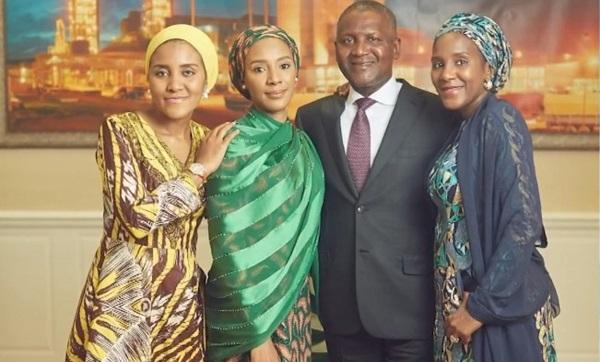
A new chapter has opened in African corporate history as the daughters of Africa’s richest man, Aliko Dangote, step into leadership roles within his vast business empire. The transition marks a significant generational shift in the Dangote Group, one of the largest and most influential conglomerates on the African continent.
The Dangote Group, with major investments in cement, sugar, salt, logistics, manufacturing, and petroleum refining, has long been a cornerstone of Africa’s industrial development. With this leadership transition, Dangote’s daughters are now taking on greater responsibilities in shaping the future direction of the company, signaling a carefully planned succession strategy designed to ensure long-term stability and continuity.
Business analysts describe the move as a strategic decision rooted in legacy planning rather than sudden change. Succession in large family-owned enterprises often plays a critical role in preserving corporate identity, values, and vision. By positioning his daughters at the center of operations, Dangote is widely seen as laying the foundation for generational leadership that will carry the group into the next era of African industrialization.
Although specific roles and operational responsibilities were not fully detailed in the report, industry observers say the transition reflects a broader trend across Africa, where family businesses are increasingly adopting structured succession models. These models aim to combine experience, innovation, and institutional memory, ensuring that companies remain competitive while adapting to modern business challenges.
The Dangote Group has grown from a regional trading company into a multinational industrial powerhouse, playing a major role in infrastructure development and manufacturing across Nigeria and other African countries. Its influence extends beyond business into national economic development, job creation, and industrial policy shaping. As such, leadership changes within the group carry implications not only for the company but also for the wider African economic landscape.
Experts believe that the involvement of Dangote’s daughters in leadership positions could introduce fresh perspectives, particularly in areas such as sustainability, digital transformation, and innovation. As global business environments evolve, African conglomerates face increasing pressure to adopt environmentally responsible practices, embrace technology, and diversify investments in emerging sectors.
The generational transition has also sparked discussions about women’s leadership in African corporate structures, with many seeing this development as a powerful symbol of female representation in high-level business leadership. Their roles signal a shift in traditional corporate hierarchies and reflect changing perceptions about women’s participation in top executive positions across the continent.
Observers say the move could serve as a model for succession planning in other large African family-owned businesses, demonstrating how leadership transitions can be structured to maintain stability while encouraging modernization and innovation.
While official statements from the Dangote family and corporate leadership have been limited, the leadership transition has already attracted significant attention within business circles. Analysts agree that the long-term impact of this shift will depend on how effectively the new leadership blends tradition with innovation.
As Africa’s business environment continues to evolve, the transition within the Dangote Group represents more than a family leadership change—it reflects the future of African enterprise itself. The coming years will reveal how this new generation of leadership shapes the direction of one of Africa’s most powerful business empires and influences the broader trajectory of industrial growth across the continent.
More Related Articles

Zimbabwe Opposition Leader Granted Bail Amid Political Tensions
A court in Zimbabwe has granted bail to prominent opposition figure Tendai Biti following his recent arrest, in a case that has drawn attention amid growing political tensions in the country. Biti, a former finance minister and a senior member of the opposition, was arrested in the eastern city of M
Seven Confirmed Dead as Post-Election Violence Erupts in Central Uganda
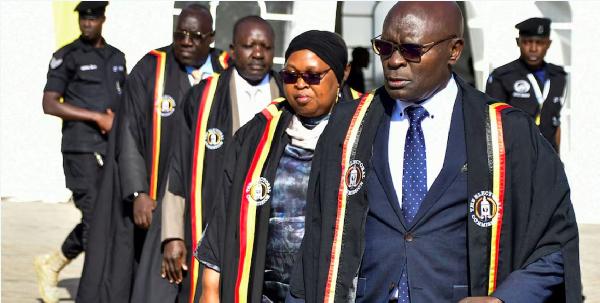
At least seven people have been confirmed dead following a wave of violence that broke out in parts of central Uganda after the country’s recent elections, according to police authorities. The unrest reportedly occurred overnight in several communities, prompting heightened security deployments acro
UN Reports 6,000 Civilians Killed in Sudan Over Three Days Amid Ongoing Conflict
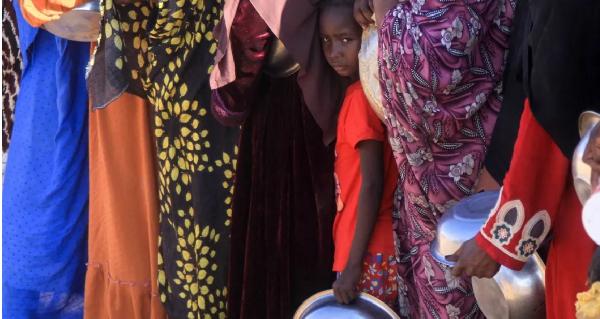
The United Nations (UN) has reported that at least 6,000 civilians were killed within just three days during the ongoing conflict in Sudan, highlighting the devastating human toll of the crisis. According to the UN, the violence has involved mass killings, summary executions, torture, abductions, an