

Cocoa Prices Rise as Ivory Coast Delivers Less – Implications for Ghana
Global cocoa prices surged recently after reports indicated that Côte d’Ivoire, the world’s top cocoa producer, delivered fewer beans than expected. The development has drawn attention in Ghana, the world’s second-largest cocoa exporter, given the potential effects on the country’s economy and agric
Ogyem Solomon
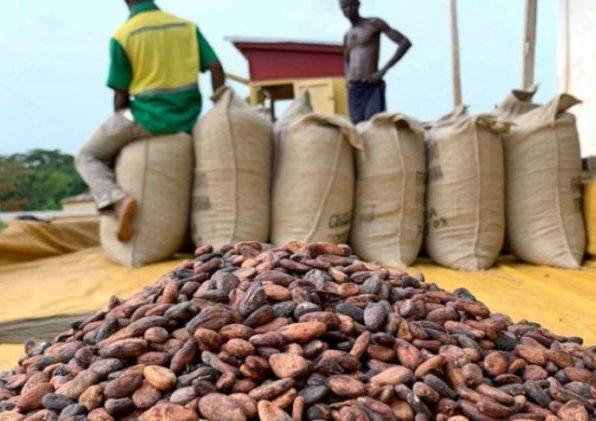
Global cocoa prices surged recently after reports indicated that Côte d’Ivoire, the world’s top cocoa producer, delivered fewer beans than expected. The development has drawn attention in Ghana, the world’s second-largest cocoa exporter, given the potential effects on the country’s economy and agricultural sector.
Analysts attribute the price increase to tightened supply from a major producer. When deliveries from Côte d’Ivoire fall short, global markets respond with higher prices as buyers compete for limited cocoa beans. Since cocoa is a critical ingredient in chocolate and related products, even a modest drop in supply can influence prices internationally.
For Ghanaian farmers and exporters, the rise in global cocoa prices offers both opportunities and challenges. On the positive side, higher market prices could boost export revenues and potentially increase incomes for cocoa growers, particularly if the Ghana Cocoa Board adjusts farmgate prices to reflect the uptick in the international market.
However, there are also potential downsides. Elevated global cocoa prices can increase costs for chocolate producers and other buyers, which could, in turn, affect demand. Manufacturers might reduce purchases or pass higher costs onto consumers, potentially slowing growth in some markets outside Africa.
Ghana’s cocoa sector is closely tied to West Africa’s broader production trends. Supply challenges affecting Côte d’Ivoire — such as weather issues, crop diseases, or labour shortages — often influence Ghana’s production as well. If Ghana experiences similar difficulties alongside Côte d’Ivoire, global cocoa supplies could tighten further, keeping prices elevated and stressing supply chains.
In recent seasons, Ghana has implemented measures to support cocoa farmers amid market volatility, including increasing producer prices above regional benchmarks to encourage production. These initiatives aim to protect farmers’ incomes while ensuring Ghana remains competitive in the global cocoa market.
Overall, the recent surge in cocoa prices highlights the sensitivity of the global cocoa market to West African production. For Ghana, the development presents a window of opportunity for exporters and growers but also underscores the need for careful monitoring of supply trends and market dynamics. Farmers, traders, and industry stakeholders will need to adapt quickly to capitalize on higher prices while managing potential risks to supply and demand.
Source: Thepressradio.com
Premium Content
This is premium content. Sign up and start your free trial to read this article and get unlimited access to quality African journalism.
Sign Up & Start Free TrialAlready have an account? Sign in
14-day free trial includes:
- • Unlimited premium articles
- • Ad-free reading experience
- • Weekly newsletter
- • Cancel anytime
More Related Articles
South Africa to Withdraw Troops from UN Peacekeeping Mission in Congo
South Africa has announced that it will withdraw its troops from the United Nations peacekeeping mission in the Democratic Republic of Congo (DRC), a decision that reflects a strategic reassessment of the country’s military commitments abroad. Officials confirmed that the withdrawal will be carried

Teacher Killed, 18 Pupils Injured as Lightning Strikes School in Northern Uganda
A tragic lightning strike has claimed the life of a young teacher and left 18 pupils injured at a primary school in Oyam District, northern Uganda, plunging the local community into grief and renewed calls for improved safety measures in schools. The incident occurred at Global View Nursery and Prim

Qualities of Contemporary Leader: Adaptive Thinking, Collaborative Influence and Innovative Leadership
The Young African Leaders Initiative (YALI) is the United States’ signature step to invest in the next generation of African leaders. Since its establishment in 2010 by Obama administration, YALI has offered diverse opportunities, including academic training in leadership, governance skills, o