

Cocoa Crisis Forces Salary Cuts for COCOBOD CEO and Top Executives
The leadership of Ghana’s cocoa sector has taken a significant step to address the growing financial pressure facing the industry, as top executives of the Ghana Cocoa Board (COCOBOD) have announced salary reductions in response to the ongoing cocoa crisis. The decision affects the Chief Executive O
Ogyem Solomon

The leadership of Ghana’s cocoa sector has taken a significant step to address the growing financial pressure facing the industry, as top executives of the Ghana Cocoa Board (COCOBOD) have announced salary reductions in response to the ongoing cocoa crisis.
The decision affects the Chief Executive Officer, Randy Abbey, as well as other senior management officials, in what COCOBOD describes as part of a broader cost-cutting and austerity strategy aimed at stabilising the institution and supporting the long-term sustainability of Ghana’s cocoa industry.
Ghana, one of the world’s leading cocoa producers, has been facing increasing economic strain due to fluctuations in global cocoa prices, rising production costs, climate-related challenges, and financial pressures within the cocoa value chain. These challenges have placed a heavy burden on COCOBOD’s operations, finances, and its ability to support cocoa farmers effectively.
According to information from the institution, the salary cuts are intended to demonstrate leadership responsibility and shared sacrifice at the highest levels of management. COCOBOD officials say the move reflects a commitment to solidarity with farmers, workers, and stakeholders across the cocoa sector who are also feeling the impact of the crisis.
The cocoa sector plays a crucial role in Ghana’s economy, providing livelihoods for hundreds of thousands of farmers and contributing significantly to export earnings and national revenue. Any instability within the sector therefore has wide-ranging consequences for rural communities, employment, and economic growth.
Industry analysts note that while salary reductions alone cannot resolve the structural challenges facing the cocoa industry, the decision sends an important symbolic message about accountability and leadership. It also signals an effort by management to rebuild confidence among farmers, workers, and the general public at a time when trust in public institutions is increasingly important.
Beyond internal cost-cutting, COCOBOD is reportedly exploring broader reforms aimed at improving efficiency, reducing waste, and strengthening financial management systems. These include restructuring operational processes, reviewing expenditure priorities, and improving transparency in procurement and project implementation.
The cocoa crisis has also renewed calls for deeper reforms within Ghana’s cocoa sector, including diversification of income streams for farmers, improved access to financing, better farm support services, and long-term sustainability strategies that can protect producers from global market shocks.
Farmers’ groups and sector stakeholders have welcomed the leadership’s gesture but have also stressed the need for practical solutions that directly benefit cocoa farmers on the ground. Many farmers continue to struggle with high input costs, ageing farms, climate variability, and limited access to modern farming tools and technology.
They argue that meaningful reform must go beyond administrative measures and include direct investment in farmer welfare, youth participation in cocoa farming, improved pricing structures, and stronger value-addition policies that ensure Ghana benefits more from its cocoa beyond raw exports.
The salary cuts by COCOBOD leadership are therefore being seen as an initial step rather than a final solution — a signal of intent that must be followed by concrete policy actions and long-term strategic reforms.
As the cocoa sector navigates this difficult period, attention is now focused on how COCOBOD will balance financial sustainability with its core mandate of supporting farmers, strengthening production, and protecting Ghana’s position as a global cocoa powerhouse.
Source: Thepressradio.com
More Related Articles
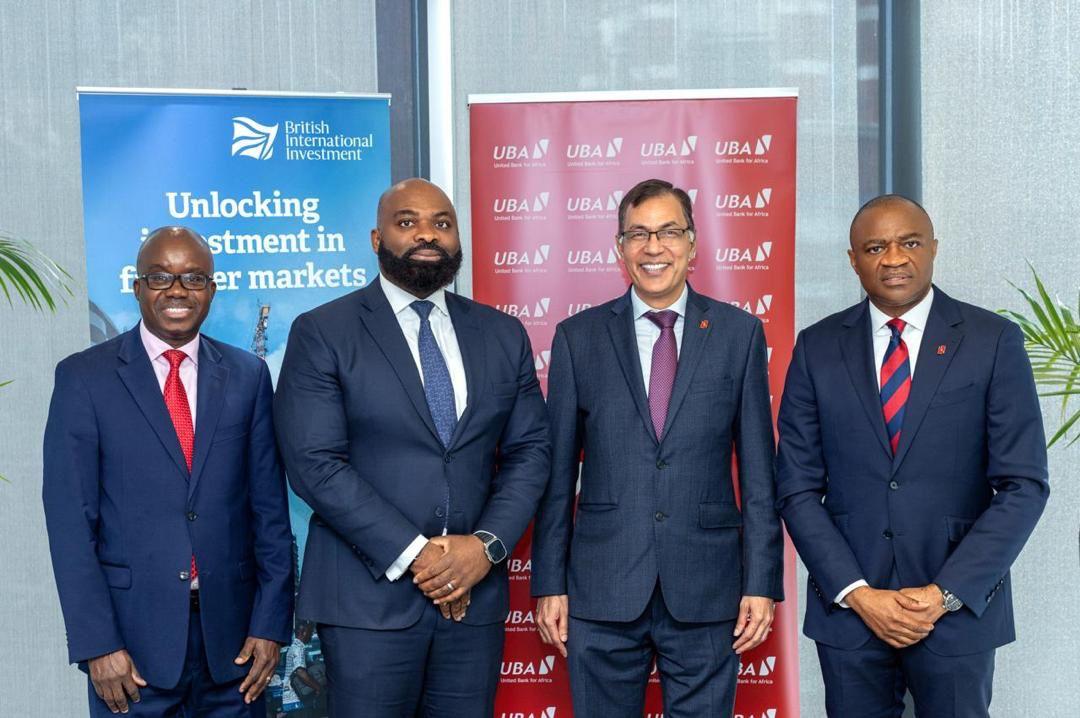
UBA Group and BII Sign Letter of Intent to Explore Trade Finance Collaboration across Africa
United Bank for Africa (UK) Limited (“UBA UK”) and British International Investment plc (“BII”), the UK’s development finance institution and impact investor, today announced that they have signed a letter of intent to develop trade finance collaboration opportunities. The proposed initiative

Oil Prices Fall as Stocks Rebound on Signs of Peace Talks
Global oil markets experienced significant fluctuations this week as investors reacted to geopolitical developments in the Middle East. Crude oil prices fell sharply, while major stock indexes rebounded following statements suggesting a possible easing of tensions between the United States and Iran.

Vehicle Prices in Ghana Expected to Drop by 15% as Dealers Announce Major Reduction
Ghanaian car buyers may soon experience significant relief as the Automobile Dealers Union of Ghana (ADUG) has announced that vehicle prices across the country are expected to fall by about 15 percent. The development comes as part of efforts by dealers to align with global market trends and improve