

Church Challenges Government Over Free Education Policy in Uganda
A church body in Uganda has publicly raised concerns about the government’s free education policy, arguing that its implementation limits parental involvement and may undermine the quality of education. The Ankole Diocese is leading the challenge, calling for a review of how the policy affects famil
Ogyem Solomon
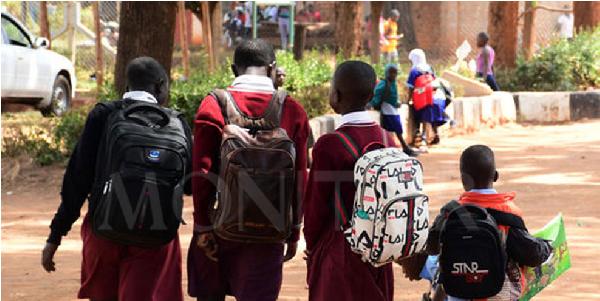
A church body in Uganda has publicly raised concerns about the government’s free education policy, arguing that its implementation limits parental involvement and may undermine the quality of education. The Ankole Diocese is leading the challenge, calling for a review of how the policy affects families and community stakeholders.
While Uganda’s free education framework aims to cover school tuition and reduce the financial burden on parents, church leaders say that in practice, the policy excludes parents from meaningful decision-making in their children’s education. They contend that decisions made solely by government authorities can ignore community needs and diminish parental influence in schools.
The Diocese emphasised that free education should not mean the total removal of parental input. Church officials argue that policies affecting children’s schooling must involve parents, educators, and local institutions to ensure that reforms reflect the values and priorities of the communities they serve.
This challenge adds to broader debates across Africa regarding free education initiatives. Faith-based organisations and mission schools have historically played a significant role in providing education, and leaders stress that government policies should be formulated in partnership with these institutions to maintain quality and inclusivity.
Critics of current implementations of free education policies also point out that without proper consultation, such programmes may inadvertently weaken school governance and strain resources, impacting the learning environment for students. Inclusive planning, they argue, can ensure that free education initiatives succeed while keeping families engaged in their children’s academic development.
The Ankole Diocese’s stance underscores the need for governments to balance accessibility with stakeholder participation, ensuring that free education initiatives serve both students and the wider community effectively. As discussions continue, attention is on how Uganda’s government will respond and whether adjustments will be made to incorporate feedback from parents, churches, and other education stakeholders.
Source: Thepressradio.com
More Related Articles
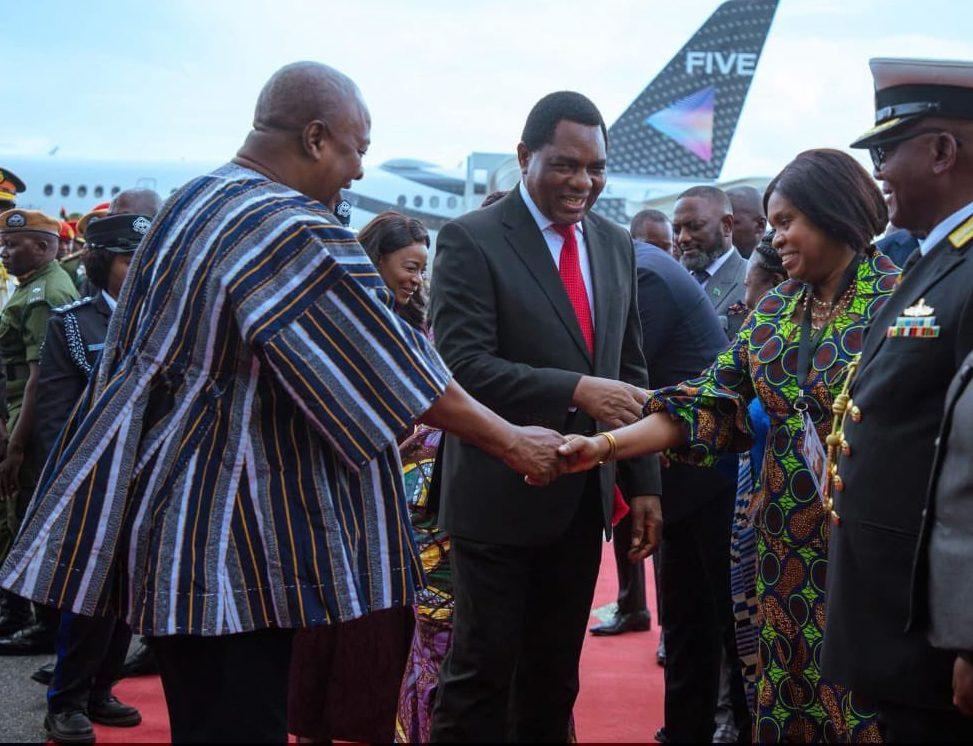
Ghanaians and Zambians Clash Online Over President Mahama’s Outfit
A recent online debate between Ghanaians and Zambians has gone viral after differing opinions emerged over an outfit worn by former President John Dramani Mahama. The disagreement began on social media platforms such as Twitter and Facebook, where users from both countries weighed in on the former l
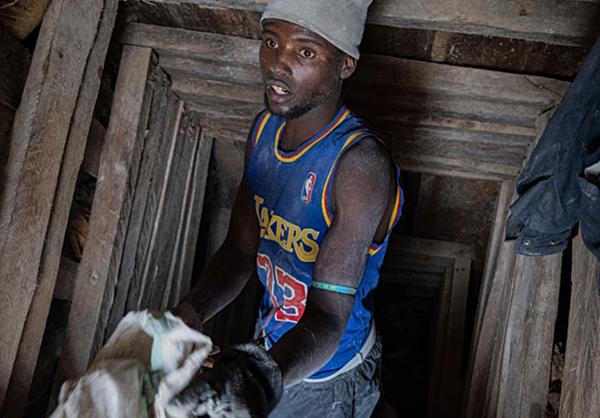
Over 200 Dead After Landslide Hits Coltan Mine in DR Congo
A devastating landslide at a mining site in the Democratic Republic of Congo (DRC) has claimed the lives of more than 200 people, according to the country’s government. The tragic incident occurred at the Rubaya coltan mining site in North Kivu province, located in the eastern part of the country. A
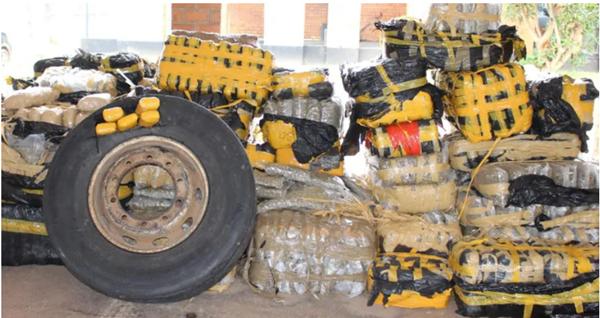
Notorious Tanzanian Drug Trafficker Arrested in Zambia During Major Raid
Zambian authorities have arrested a high-profile Tanzanian drug trafficker during a major anti-narcotics operation in Lusaka, highlighting the country’s ongoing efforts to crack down on organised drug networks. The arrest forms part of a broader crackdown by the Zambian Drug Enforcement Commission (