

China’s economy has recorded stronger-than-expected growth, showing resilience despite global uncertainties linked to the ongoing Iran war and its impact on international energy and trade markets.
Recent figures indicate that China’s Gross Domestic Product (GDP) expanded by about 5% in the first quarter of 2026, slightly above analysts’ projections and within the government’s target range for the year. The performance has been described as a sign of stability in the face of rising global economic pressure.
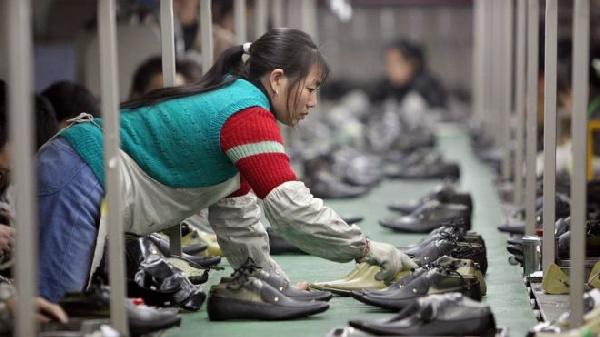
The growth was largely driven by strong industrial output and solid export performance. Key manufacturing sectors such as electronics, machinery, and automobiles recorded increased demand, helping to offset weaker domestic consumption.
Despite the positive growth, domestic demand within China remains relatively weak. Consumer spending continues to lag, while the country’s struggling property sector still weighs on overall economic confidence.
At the same time, the Iran war has created additional pressure on the global economy, particularly through rising oil prices and disruptions in energy supply chains. As one of the world’s largest importers of energy, China has had to manage increased production costs and external market volatility.
To cushion these effects, China has relied on strategic measures such as energy stockpiling, diversified import sources, and continued government support for infrastructure and industrial activity. These efforts have helped maintain steady growth despite external shocks.
However, economists caution that risks remain. Prolonged geopolitical instability could further affect global trade flows and energy prices, potentially slowing down China’s export-driven growth model in the coming months.
International financial institutions have also warned that sustained conflict and high energy costs could have wider implications for global economic stability, particularly for manufacturing-heavy economies.
As the situation develops, Chinese policymakers are expected to closely monitor global conditions and may introduce additional stimulus measures if domestic or external pressures begin to intensify.
Overall, while China has started 2026 with stronger-than-expected economic performance, analysts say its future growth will depend heavily on how global tensions and energy market disruptions evolve.
Source: Thepressradio.com