

Bank of Ghana Reduces Gold Exposure by 50 Percent Amid Concentration Concerns
The Bank of Ghana (BoG) has announced a major adjustment to its foreign reserves strategy, reducing its exposure to gold by approximately 50 percent. The central bank cited concerns about over-concentration in gold assets, noting that diversifying its reserves is critical for maintaining financial s
Ogyem Solomon

The Bank of Ghana (BoG) has announced a major adjustment to its foreign reserves strategy, reducing its exposure to gold by approximately 50 percent. The central bank cited concerns about over-concentration in gold assets, noting that diversifying its reserves is critical for maintaining financial stability amid ongoing global economic uncertainties.
Gold has traditionally been a key component of Ghana’s foreign reserves due to its historical value as a safe-haven asset and its importance to the country’s mining sector. However, financial analysts have long cautioned that excessive reliance on a single commodity could expose the nation to volatility in global gold prices. The recent move by BoG reflects a proactive approach to mitigating such risks while ensuring that Ghana’s reserves remain resilient.
The funds previously held in gold have been redirected into foreign-currency denominated assets, which provide greater diversification and flexibility. These assets may include U.S. dollars, euros, and other stable international currencies. By reallocating its reserves, the Bank of Ghana aims to protect the economy from potential shocks caused by fluctuations in gold prices, while also supporting smoother management of the nation’s monetary policy.
Officials from the Bank of Ghana emphasized that the decision is part of a broader strategy to strengthen the country’s financial stability, safeguard national reserves, and ensure the sustainability of monetary policy in an increasingly uncertain global economic environment. The central bank stressed that the reduction in gold exposure does not signal a lack of confidence in the commodity itself but reflects prudent risk management practices.
Economic experts have largely welcomed the move, highlighting that diversification of reserves is a standard practice among central banks worldwide. By balancing gold holdings with foreign-currency denominated assets, Ghana can better withstand global market volatility, manage exchange rate pressures, and maintain investor confidence. Analysts also noted that this strategy could help the country respond more effectively to unforeseen economic shocks, including fluctuations in commodity prices or shifts in international capital flows.
The Bank of Ghana’s decision comes at a time when global economic conditions are increasingly unpredictable. Rising interest rates, inflationary pressures, and geopolitical tensions have contributed to heightened market volatility, prompting central banks to adopt more cautious and diversified approaches to managing national reserves. Ghana’s move mirrors similar strategies employed by other emerging economies seeking to balance growth, stability, and risk mitigation.
Investors and financial observers have highlighted that maintaining a well-diversified reserves portfolio is critical for Ghana’s long-term economic resilience. By reducing concentration in gold, BoG is signaling its commitment to modern reserve management practices that prioritize stability, sustainability, and responsiveness to global market dynamics.
In conclusion, the Bank of Ghana’s decision to cut gold exposure by 50 percent underscores the importance of strategic reserve diversification in today’s volatile economic environment. While gold remains a valuable component of Ghana’s reserves, the shift toward foreign-currency denominated assets reflects prudent risk management, safeguarding the nation’s financial health, and positioning the economy to navigate future uncertainties.
Watch the video of the policy from18% to 15% below:
Source: Thepressradio.com
More Related Articles
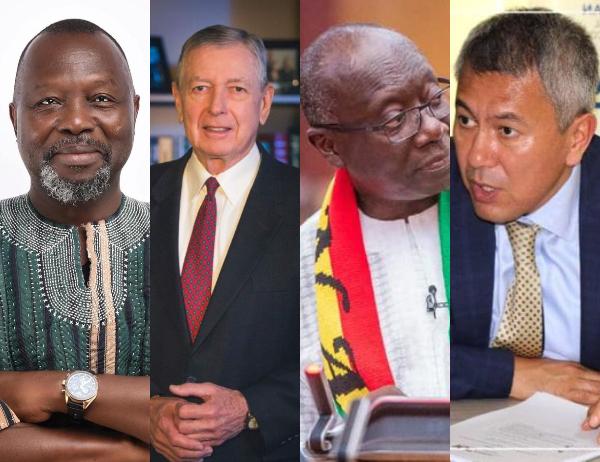
Attorney General Reveals Confidential Discussion with U.S. Lawyers Representing Ofori-Atta
Ghana’s Attorney General and Minister of Justice, Dr. Dominic Akuritinga Ayine, has disclosed details of a confidential discussion he held with senior United States lawyers representing former Finance Minister Ken Ofori-Atta. The revelation comes amid growing public interest in the legal development
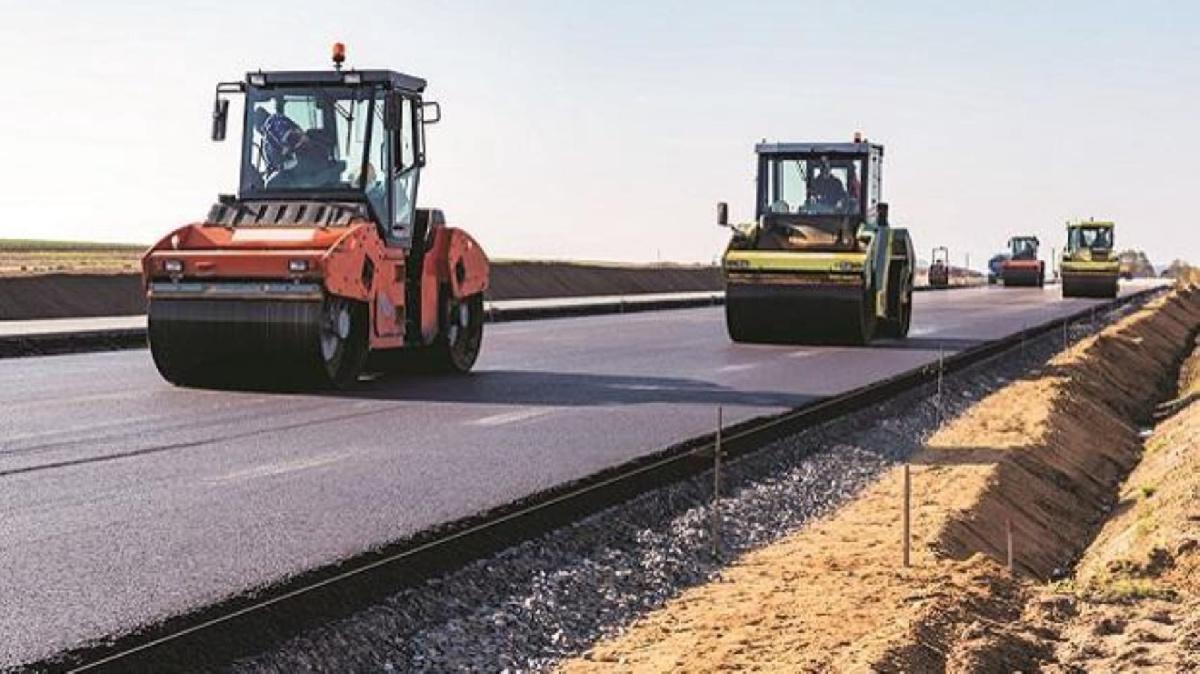
Government to Complete 23 Unfinished Road Projects Worth GH¢15 Billion – Mahama
The Government of Ghana has announced plans to complete 23 unfinished road projects left incomplete by the previous administration, with a combined estimated cost of GH¢15 billion. President John Dramani Mahama revealed this during the 2026 State of the Nation Address (SONA), emphasising the adminis

Why Trotro and Taxis Use Yellow Number Plates While Other Vehicles Have White, GV or CD Plates
Vehicle number plates in Ghana come in different colours and letter codes, each representing a specific category of vehicle use. The system is designed to help authorities and the public easily identify the purpose of a vehicle on the road. One of the most common plates seen across the country is th