

African Students Participate in International Tech School in Russia
Students from more than 20 African countries, including Ethiopia, Ghana, Rwanda, South Africa, Tanzania, and Namibia, recently took part in the International Tech School held in Obninsk, Russia. The programme brought together young talents from across the world to receive in-depth training in nuclea
Ogyem Solomon
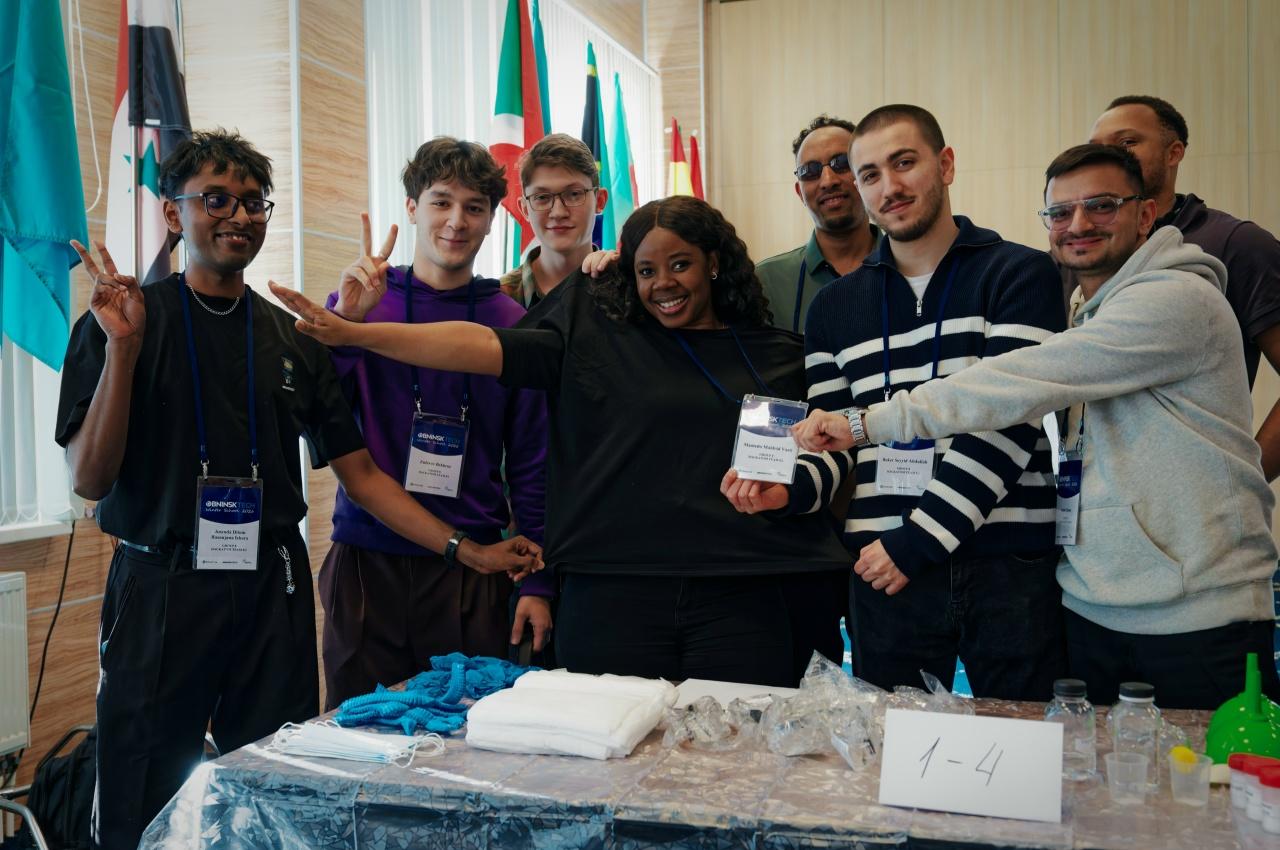
Students from more than 20 African countries, including Ethiopia, Ghana, Rwanda, South Africa, Tanzania, and Namibia, recently took part in the International Tech School held in Obninsk, Russia. The programme brought together young talents from across the world to receive in-depth training in nuclear science and technology, combining academic learning with practical, hands-on experience guided by leading experts in the nuclear sector.
In total, over 120 international students from 47 countries participated in the winter school. The programme featured intensive workshops and masterclasses delivered by specialists from MEPhI (Moscow Engineering Physics Institute), one of Russia’s leading nuclear science and engineering institutions.
Students received practical training in a wide range of technical fields, including dosimetry, nuclear power plant instrumentation and control systems, radiation monitoring, 3D modelling, electrical engineering, non-destructive testing, and materials science. The programme was designed to bridge theory and practice, giving participants real-world exposure to modern nuclear technologies and applications.
For many African participants, the experience was both academically enriching and personally transformative. Mantedo Vasti Maldrid, a participant from Namibia, described the programme as life-changing.
“My experience at Obninsk Technical School has been truly inspiring and meaningful to me as a physicist from Namibia with a strong interest in nuclear science. We received so much useful and practical information, particularly in nuclear technology and engineering. Beyond academics, the atmosphere was open, professional, and innovative. Obninsk did not just expand my knowledge, it strengthened my commitment to contributing to the development of nuclear education and technology in Namibia.”
The programme concluded with the HackAtom student competition, a high-intensity innovation challenge designed to test students’ creativity and problem-solving skills in nuclear education. Participants were given 24 hours to develop and defend project ideas focused on the future of nuclear training and education.
Among the top proposals were concepts such as:
The creation of a master’s programme in nuclear waste management
The establishment of an advanced nuclear education campus
The launch of a career development portal to support employment opportunities for engineering graduates
The winning team, “Prometheus,” brought together students from several leading institutions, including MEPhI, Nizhny Novgorod State Technical University, University of Belgrade, and Tsinghua University.
Team members will now have the opportunity to further refine their concept under the mentorship of Obninsk Tech professors before presenting it at the MEGA Council summer event, attended by senior management of Rosatom.
Commenting on the success of the programme, Tatyana Osipova, Director of the Obninsk Tech Project Office, praised the commitment and diversity of the participants:
“As yet another annual winter school draws to a close, it is truly rewarding to see motivated students and postgraduate researchers who aim to further develop their skills in the nuclear industry. Many participants study or have studied at universities in different countries and bring valuable international experience. Their feedback is extremely important to us, and we are pleased that they have high praise for the quality of our educational programme.”
This year’s programme marked the third edition of the Obninsk Tech Winter School, with participation steadily increasing since its inception two years ago. The initiative continues to open up career pathways for students interested in the nuclear sector, particularly in the peaceful and developmental applications of nuclear science.
The school was established through a partnership between MEPhI and Rosatom’s Technical Academy, with the goal of building a global network of young professionals equipped with the skills and knowledge needed to contribute to the future of nuclear technology and education worldwide.
Source: Thepressradio.com
More Related Articles

US Military Conducts Airstrikes Against al‑Shabaab in Somalia Following Anti-ISIS Operation in Nigeria
The United States military has carried out airstrikes targeting al‑Shabaab positions in Somalia, following a recent operation against ISIS affiliates in Nigeria after the Christmas period. U.S. Africa Command (AFRICOM) confirmed that the strikes aimed to weaken the extremist group’s capabilities and

Bigo Live Set to Light Up Seoul with Seventh Annual BIGO Awards Gala in 2026
Bigo Live, one of the world’s fastest-growing social live-streaming platforms with more than 600 million registered users across over 150 countries, has announced the seventh edition of its flagship BIGO Awards Gala, scheduled to take place in Seoul in January 2026. Themed “SEOUL LIGHTS, BIGO NIGHTS

Online African Women Conference: From Adaptation in Russia to Issues of Health and Spirituality
Women, generally, are fighting for their own empowerment in society. Gender equality dominates their activities, flexing their femine muscles for higher positions, with men, in diverse professional aspects including politics and entrepreneurial spheres of activity. Such consistent struggle was backe